OUR WORKS

Metal Piling Repair
Choong Ngai Engineering provides professional metal piling repair solutions in Malaysia, specialising in restoring corroded, deformed, or weakened piles for marine, industrial, and civil infrastructure projects. Our experienced team delivers durable results with minimal downtime through proven methods such as metal skimming, welding, fabrication, and metal coating.
- Targeted Repairs:
Metal skimming, welding and re-plating replace worn or damaged sections without removing the entire pile.
- Corrosion Control:
Abrasive blasting, metal spray coating, and high-build epoxies create a barrier that extends pile service life.
- Strength Reinstatement: Precision fabrication adds collars, jackets, or clamp-on sleeves, restoring full load-bearing capacity.
With an experienced on-site crew and modern equipment, we reinforce steel piling safely and efficiently, helping asset owners avoid costly replacements while safeguarding structural integrity for years.
What Are the Types of Damages to Metal Piles?
In Malaysia’s humid, marine, and industrial environments, metal piles are exposed to heavy loads, tidal action, and corrosive chemicals. Understanding these failure modes ensures the right repair technique is applied, minimising downtime.
Corrosion
Continuous exposure to seawater, acidic soils, or industrial runoff strips protective oxides from steel. Pitting, under-deposit attack, and weld-seam wastage reduce wall thickness and pile strength. Repairs focus on abrasive blasting, metal skimming, metal spray coating, and high-build epoxy jackets to halt further loss.
Crack Formation
Dynamic waves, traffic vibrations, or sudden impacts can initiate micro-cracks at weld toes, flange corners, or fatigue hotspots. If unchecked, cracks propagate and may trigger brittle fracture. Full-penetration welding, stop-drilling, and crack-arrest plates restore integrity before re-coating.
Buckling or Bending
Uneven scour, unexpected surcharge loads, or poor initial alignment can push slender piles past their elastic limit, causing bowing or kinks. Clamp-on collars, welded stiffeners, or partial replacement sleeves straighten the column and reinstate axial and bending capacity.
Material Degradation
Chemical effluents, microbiologically influenced corrosion, and long-term exposure break down the steel matrix, leaving it porous and weakened. Encapsulation with inert composite wraps or replacement of severely degraded sections ensures long-term durability under aggressive site conditions.
Common Methods Used in Metal Piling Repairs
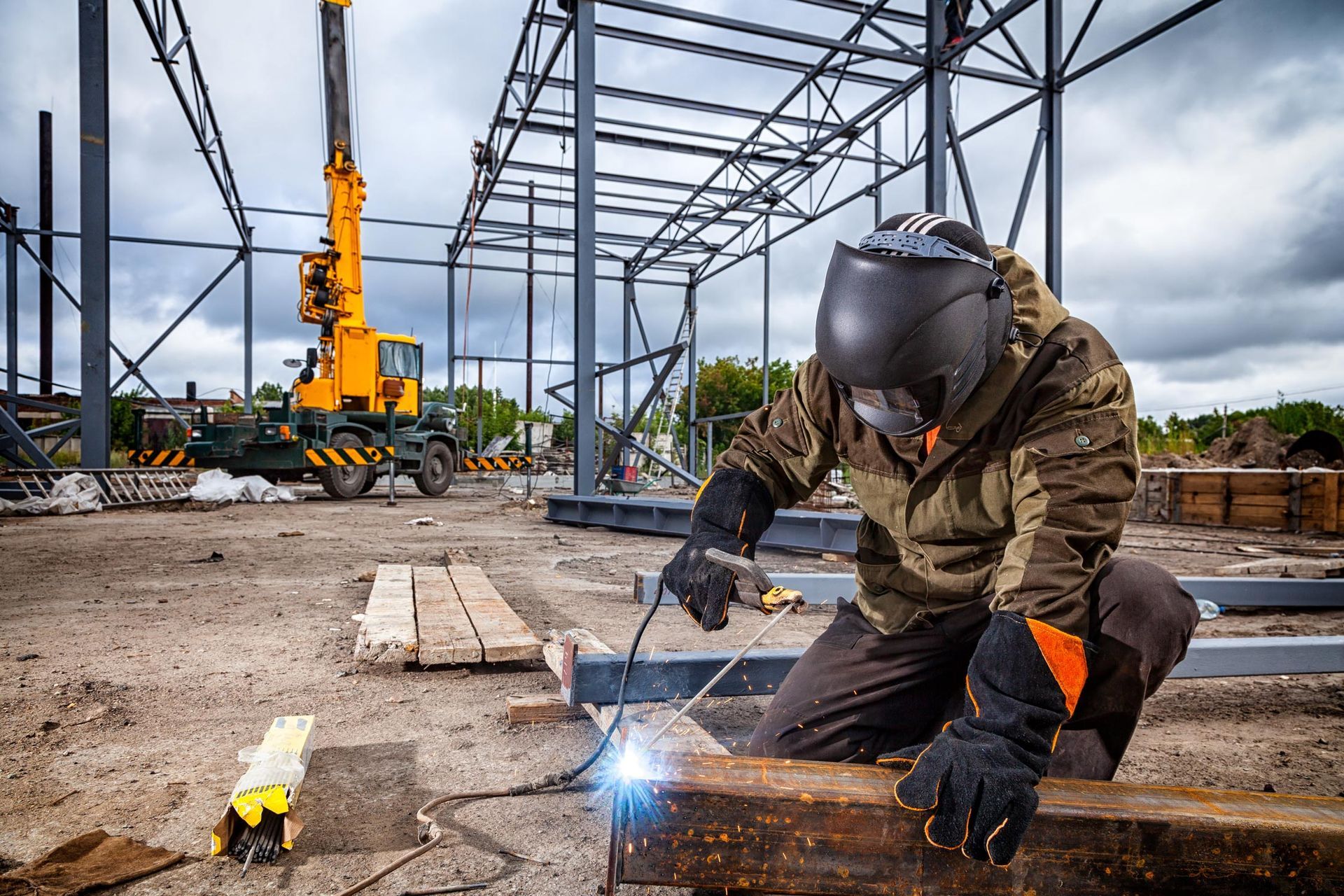
Site conditions, load history, and environmental exposure determine the repair method. Our core techniques, used individually or in combination, are designed to restore strength efficiently and extend service life.
Welding
Arc, MIG, or TIG welding repairs cracks and corrosion pits. Damaged edges are bevelled, multi-pass welds are applied, and surfaces are ground flush to restore section modulus. Pre-heat and post-weld inspection minimise residual stress and ensure the pile handles cyclical loads.
Fabrication
Custom collars, clamp-on sleeves, or replacement sections are fabricated from matching steel grades. Once positioned, they are stitch-welded or bolted around the weakened zone, reinstating axial and bending strength while avoiding costly pile removal.
Metal Skimming
High-speed grinding or needle-scaling removes rust, marine growth, and loose metal. This exposes sound steel, improves weld fusion, and creates a strong anchor profile for coatings. Skimming also allows inspection of hidden pitting before it spreads.
Metal Coating
Barrier systems such as epoxy, zinc-rich primer, or aluminium spray coating seal repaired areas from oxygen, moisture, and chlorides. Coatings slow corrosion in tidal and splash zones, with optional colour-coded topcoats for visual inspection.
Metal Spray Coating
Molten zinc or aluminium is atomised and sprayed onto the prepared steel, forming a dense sacrificial layer. This method provides cathodic protection, resists impact, and prolongs service intervals — ideal for waterfront and jetty piles where access is limited.
Metal Piling Repair and Restoration Process
Our structured repair workflow ensures safety, traceability, and maximum effectiveness from survey to project completion.
1. Inspection and Damage Assessment
Technicians perform visual, ultrasonic, and dimensional checks to map corrosion, cracks, and wall-loss. Measurements are compared against load requirements to target every critical zone efficiently.
2. Cleaning and Metal Skimming
Marine growth, rust, and loose metal are removed using high-pressure washing, abrasive blasting, or needle-scaling. This prepares a clean substrate for welding and coating.
3. Repair and Reinforcement
Cracks are gouged and rewelded, while custom sleeves and collars are installed to restore original axial and bending capacity without full pile removal.
4. Coating and Finishing
Barrier systems, typically zinc-rich primer plus high-build epoxy, seal repaired sections against moisture and chlorides.
5. Metal Spray Coating Application
For severe splash zones, molten zinc or aluminium is thermally sprayed to create a durable sacrificial layer, extending service intervals beyond traditional paint systems.
6. Final Testing and Quality Validation
Repairs undergo thickness checks, adhesion pull tests, and optional hydrostatic or load testing. All data is documented to confirm structural integrity and extended service life.
Industries We Serve in Malaysia
Our metal piling repair services in Malaysia cater to a wide range of sectors, each with corrosion-prone environments:
- Marine Infrastructure:
Piers, jetties, and port dolphins exposed to tidal and chloride attack.
- Industrial Foundations:
Steel piles in warehouses, tank farms, and conveyor trestles facing chemical splash and vibration.
- Bridges and Causeways:
River and coastal crossings threatened by scour, impact, and fatigue.
- Oil & Gas Terminals:
Loading platforms requiring fast, code-compliant repairs.
- Waterfront Developments: Seawalls, boardwalks, and pontoons in resorts or mixed-use estates needing long-term corrosion control.
Each repair is tailored to site conditions, environmental loads, and local engineering standards to ensure longevity and minimal downtime.
Quality Control and Testing
Our metal piling repair work is supported by documented quality programmes, proving strength, alignment, and corrosion protection before hand-over.
Visual and Dimensional Inspections
Inspectors verify weld beads, sleeve alignment, and pile straightness with calibrated gauges to prevent rework.
Coating Thickness & Adhesion Tests
Dry-film thickness gauges and pull-off adhesion tests confirm proper coverage and bonding for long-term protection.
Non-Destructive Testing (NDT)
Ultrasonic wall-thickness checks, magnetic-particle, dye-penetrant inspections, and radiography detect hidden defects without removing material.
Compliance with International Standards
All metal pile repair work follows global guidelines for coating, welding, and fabrication, with a complete dossier provided including test records, material traceability, and as-built drawings.
Contact Us
Looking for professional metal piling repair or metal coating solutions in Malaysia?
Contact Choong Ngai Engineering today to discuss your project and receive a tailored plan for long-lasting pile protection. Our team provides clear quotations, repair strategies, and scheduling advice to suit your operational needs.
Frequently Asked Questions
What Causes Metal Piles to Corrode in Malaysia’s Environment?
Malaysia’s hot, humid, and coastal climate accelerates corrosion on steel piles. Salt-laden sea spray, monsoon rain, acidic industrial runoff, and microbial activity can cause pitting, crevice corrosion, and wall-thickness loss. Our metal piling repair services address these issues with metal skimming, coating, and spray applications to extend pile life.
How Is Metal Skimming Used During the Repair Process?
Metal skimming is a preparatory step where technicians remove rust, marine growth, and loose coatings using high-speed grinders, abrasive pads, or needle-scalers. This exposes sound steel, uncovers hidden pitting, and creates a rough surface profile for stronger welds and long-lasting protective coatings.
What Are the Advantages of Metal Spray Coating Over Painting?
Thermal-spray zinc or aluminium forms a dense metallic layer on blasted steel, providing mechanical bonding and cathodic protection. Unlike paint, it resists impact, self-sacrifices to stop rust if scratched, and lasts 2–3 times longer—ideal for waterfront, jetty, and marine piles where future access is limited.
How Long Does a Metal Piling Repair Typically Last?
The lifespan of a repaired metal pile depends on site conditions, repair method, and maintenance. In calm, low-salt environments, welded sleeves and metal spray coating can extend service life by many years. In harsh, chemical-exposed, or tidal zones, repairs still significantly outperform untreated piles.
Do You Offer On-Site Metal Coating Services for Offshore Structures?
Yes. Our on-site metal spray coating services can be deployed for offshore piles, risers, and platform legs. Mobile grit-blasting rigs, thermal-spray units, and portable compressors allow zinc or aluminium coatings to be applied in situ, reducing dismantling, logistics, and costly downtime.