Spend Less on Steel Piling with Metal Spray Coating

TL;DR:
- Recoating paint on marine steel piling costs more than the invoice shows: mobilisation, access, and surface prep repeat every cycle, across potentially 4 or 5 cycles over 25 years.
- Metal spray locks mechanically to steel and corrodes sacrificially, protecting the substrate even when scratched. Paint offers no such protection once breached.
- Transitioning from a degraded paint system is viable, but condition assessment, metal skimming, and blasting costs must be factored into the comparison from the start.
- Compare both systems across 4 variables: upfront cost, number of recoating cycles, mobilisation per cycle, and inspection costs between cycles. Application rate alone is not the right number to compare.
The coating system you chose for your steel piling 10 years ago probably looked cost-effective at the time. It may not look that way now. For asset managers running infrastructure in tidal or marine environments, the real cost of a coating choice rarely shows up in the original specification. It shows up in mobilisation invoices, access hire, repeated surface preparation, and operational disruption that comes with maintenance cycles arriving faster than projected. This article makes the case for looking at that cost differently, and for understanding what
metal spray coating can do to reduce it over the long term.
Why Your Recoating Cycle Is Costing More Than You Realise
The recoating cycle costs more than most budgets account for because mobilisation, access hire, and surface preparation sit outside the materials and labour line. These costs repeat with every cycle.
Steel piling protection in tidal and splash zones is harder to maintain than in other environments. Constant exposure to water, wave action, and the movement between wet and dry conditions causes the paint to break down faster. This is not a sign of poor workmanship. It is simply how paint behaves in that kind of environment.
If a paint system in an aggressive marine environment needs touch-ups within a few years and a full recoat every decade or so, you could be looking at 4 or 5 full recoating cycles over a 25-year asset life. Once you add up all the mobilisation, access, and preparation costs across those cycles, the total spend is often much higher than it first appears. That is the number worth comparing against the cost of metal spray coating.
If your maintenance budget is being stretched by repeat recoating cycles, it may be worth reviewing your coating specification before the next cycle begins.
Contact Choong Ngai Engineering to talk through what your piling environment actually requires.
Metal Spray vs Paint: Which One Actually Lasts Longer on Marine Piling?
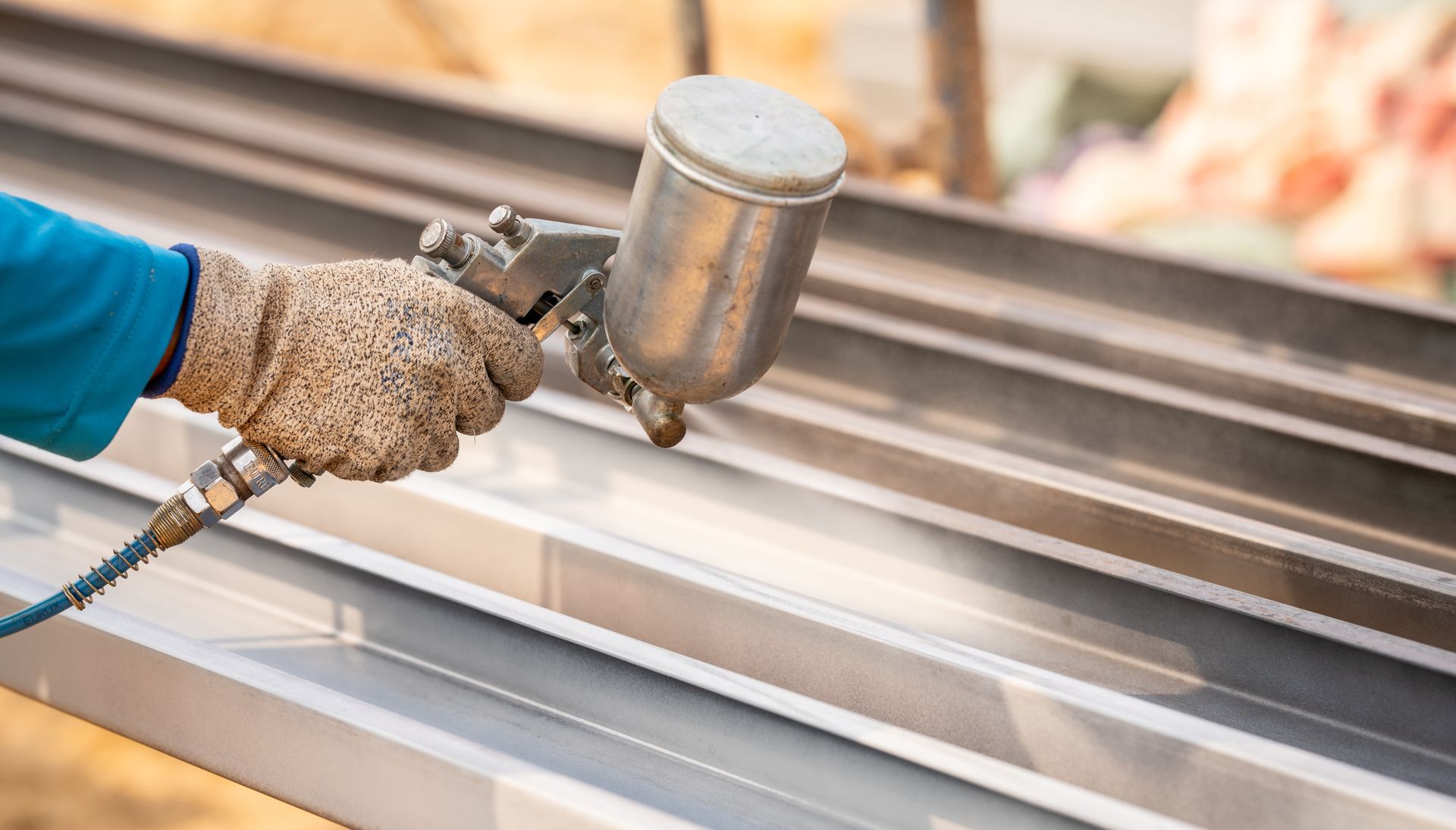
Metal spray coating works differently from paint. Instead of sitting on top of the steel surface, it locks mechanically to the prepared steel surface. This makes it much harder to dislodge through the kind of mechanical stress and moisture exposure that causes paint to peel and blister in marine environments.
There is another important difference. Metals commonly used in metal spray coating, such as aluminium and zinc, corrode sacrificially. This means that if the coating is scratched or locally damaged, those metals continue to protect the steel underneath by corroding in its place. Paint does not do this. A crack or breach in a paint system lets moisture reach the steel directly.
The practical difference between the 2 systems becomes clear when you look at how each one behaves across the same conditions:
| Paint | Metal spray coating | |
|---|---|---|
| How it bonds to steel | Adhesive bond on the surface | Mechanical bond to the prepared substrate |
| When scratched or damaged | Moisture reaches steel directly; corrosion spreads from the breach | Surrounding metal corrodes sacrificially; steel remains protected |
| Resistance to mechanical stress | Prone to peeling and blistering in tidal and splash zones | Resists dislodging from wave action and abrasion |
| Protection after coating failure | one; bare steel is exposed | Partial cathodic protection continues while surrounding coating is intact |
Metal spray coating using aluminium or zinc, when correctly applied, can last significantly longer than paint in aggressive marine environments. Actual service life depends on the severity of the environment, how well the coating was applied, and whether ongoing condition checks are carried out. Treat any published interval figures as a guide rather than a guarantee, and verify them against your specific site conditions and exposure levels.
In practical terms, a longer-lasting coating means fewer times you need to mobilise, fewer surface preparation cycles, and less disruption to operations over the life of the asset. You still need to carry out condition checks at regular intervals, but that is a much lighter burden than managing repeated full recoating jobs.
Your Piling Is Already Failing. What Are Your Options?
If your piling carries a deteriorating paint system with rust showing in patches, the question is not which coating to choose in theory. It is whether you can switch to metal spray now, and what that involves.
The existing coating and any corrosion product must be fully removed first, and the steel surface abrasive-blasted to the right profile. If the steel underneath has suffered significant damage such as pitting or section loss, that will need addressing before coating can begin. All of that work needs to be costed into your budget from the start.
Before making any coating decision on existing piling, work through these steps:
- Commission a condition assessment to map the extent of corrosion and coating failure.
- Establish what metal skimming and surface preparation work is required before metal spray can be applied.
- Cost the remedial and preparation work into your total spend comparison alongside a further paint cycle.
- Compare both options on total lifecycle cost, not on upfront application cost alone.
For some assets, another paint cycle may still make more sense in the short term. The goal is to make that decision based on the full picture.
Not sure where your piling stands? A condition assessment takes the guesswork out of the cost comparison.
Speak to the team at Choong Ngai Engineering to find out what an assessment involves and what it would mean for your next maintenance decision.
How Do You Build a Maintenance Budget Around Your Coating System?
Build the comparison across 4 variables: upfront application cost, number of recoating cycles, mobilisation and access costs per cycle, and inspection costs between cycles. Treating coating selection as a capital expenditure decision rather than a maintenance line item makes it easier to build an accurate long-term cost model.
- Upfront application cost, including any remedial preparation work
- Number of full recoating cycles expected over the asset's life
- Mobilisation and access costs for each of those cycles
- Inspection and monitoring costs between cycles.
The right answer varies by situation. A port structure in a highly aggressive marine environment will produce a different result from a sheltered inland bridge. Corrosion category, access difficulty, and operational criticality all affect the calculation.
A documented, interval-based coating maintenance plan also supports compliance requirements, insurance documentation, and reporting to infrastructure owners or stakeholders, putting you in a stronger position at audit and at contract renewal.
Get the Specification Right with Choong Ngai Engineering
Surface preparation, spray material selection, and quality documentation all determine whether a metal spray application performs as expected over the long term. Getting those elements right from the start is what delivers the extended maintenance intervals metal spray can offer.
If you are planning a new piling project, reviewing your current maintenance programme, or assessing existing piles before recoating, specialist input early in the process reduces risk and improves budget accuracy.
Choong Ngai Engineering provides metal spray coating and metal piling repair services in Malaysia.
Get in touch with the team to discuss your project and find out which coating specification is right for your environment and asset life requirements.