How Expert Metal Rolling Services Improve Steel Strength
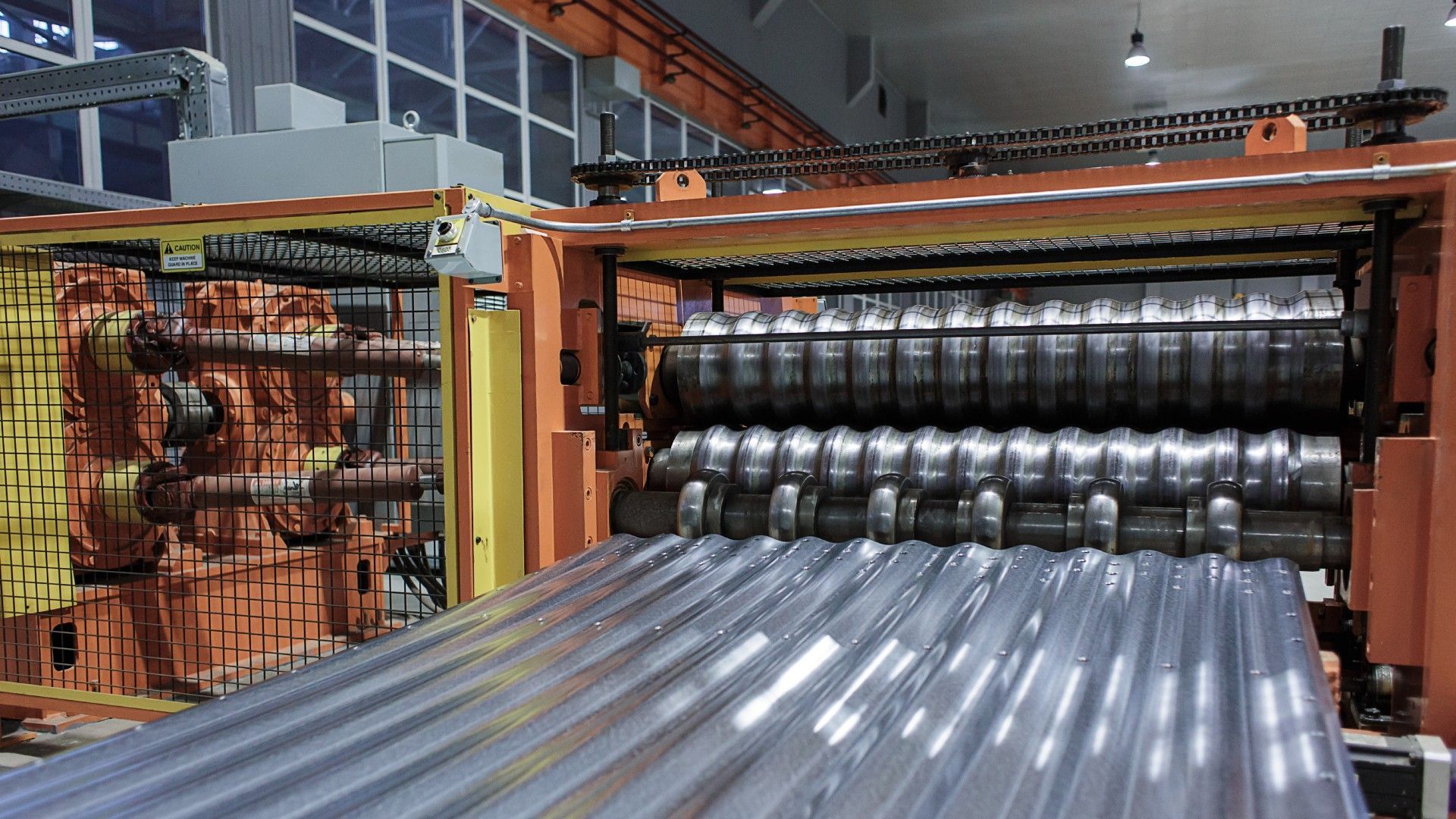
- Explains how expert metal rolling refines grain flow, closes internal voids, and shapes steel that performs reliably in Malaysia’s humid, high-load environment
- Compares hot-rolled beams and columns with cold-rolled light-gauge sections for purlins, girts, and thin-walled tubular work
- Outlines 4 core techniques: hot rolling, cold rolling, section bending, and plate rolling — and where each delivers the best structural outcome
- Highlights essential quality controls, including: ±0.5% radius accuracy, surface defect limits above 0.3 mm, ≤1% ovality, and ultrasonic plus dye-penetrant testing
- Guides project managers on assessing machine capacity, operator expertise, turnaround time, and custom-shaping capability when selecting a rolling partner.
Metal rolling services sit at the heart of modern steel fabrication. By passing hot or cold stock through precision-ground rolls, steel mills refine grain structure, close internal voids, and form profiles that would otherwise rely on extensive cutting and welding. This process turns raw billet or plate into beams, columns, and curved sections that carry higher loads, resist fatigue, and perform consistently in Malaysia’s humid, high-rainfall climate.
In the sections below, you will learn how different rolling methods improve strength and durability, the quality controls that keep every length consistent, and what to look for when selecting a rolling partner for industrial projects.
Understanding Metal Rolling in Structural Steel Fabrication
Metal rolling forces steel through one or more pairs of heavy-duty rollers, reducing thickness, shaping profiles, or forming curves in a single, tightly controlled process.
For Malaysian construction, primary beams and columns are typically hot-rolled. The elevated temperatures allow large sections to be formed efficiently while delivering the strength, straightness, and volume required for load-bearing frames.
Cold-rolled sections, by contrast, are better suited to lighter applications, such as purlins, girts, side rails, and thin-walled hollow sections. Their high strength-to-weight ratio helps reduce dead load without compromising stiffness or dimensional consistency.
Enhancing Steel Quality for Malaysian Construction & Industry
Malaysia’s climate places constant stress on structural steel. Humidity frequently exceeds 80%, and prolonged rainfall is common. Over time, these conditions can exploit weak points in fabrication.
Metal rolling forms beams and plates in one continuous pass, reducing the need to cut and weld multiple sections together. Fewer welds mean fewer heat-affected zones, fewer stress concentrations, and fewer entry points for corrosion.
Rolled steel also maintains continuous grain flow, which improves resistance to cracking and fatigue. Rolling pressure elongates any hidden internal defects into thin layers, making them easier to detect. Ultrasonic testing identifies these flaws early, so substandard material is rejected before it reaches site, saving time, cost, and structural risk.
Key Metal Rolling Techniques That Boost Steel Strength and Durability
Metal rolling is not a single process but a group of specialised techniques, each suited to different section sizes, thicknesses, and performance requirements. When carried out with the right equipment and expertise, metal rolling with precision directly influences load capacity, dimensional accuracy, and long-term durability. Selecting the correct method ensures steel remains strong, durable, and fit for long-term service across demanding industrial and structural applications.
Precision Rolling Methods for Consistent Metal Performance
Rolling facilities rely on several proven methods. Choosing the correct one ensures every piece performs consistently across an entire batch.
- Hot Rolling: Billets heated to approximately 1100°C pass through roughing and finishing stands. Each reduction refines grain structure and breaks down casting defects. A controlled cooling process locks in strength while avoiding excessive brittleness, making hot-rolled steel ideal for heavy structural members.
- Cold Rolling:
Sheet and light-gauge strip are rolled at room temperature, below recrystallisation. The cold-working process increases strength and improves surface finish. Final thickness is typically controlled to within ±0.15mm, making cold-rolled material suitable for precision-formed sections and cladding systems.
- Section Bending (Profile Rolling):
Universal beams, channels, angles, and tubes are curved using 3- or 4-roll machines without added heat. Laser measurement systems track spring-back after each pass, ensuring consistent radii across every piece.
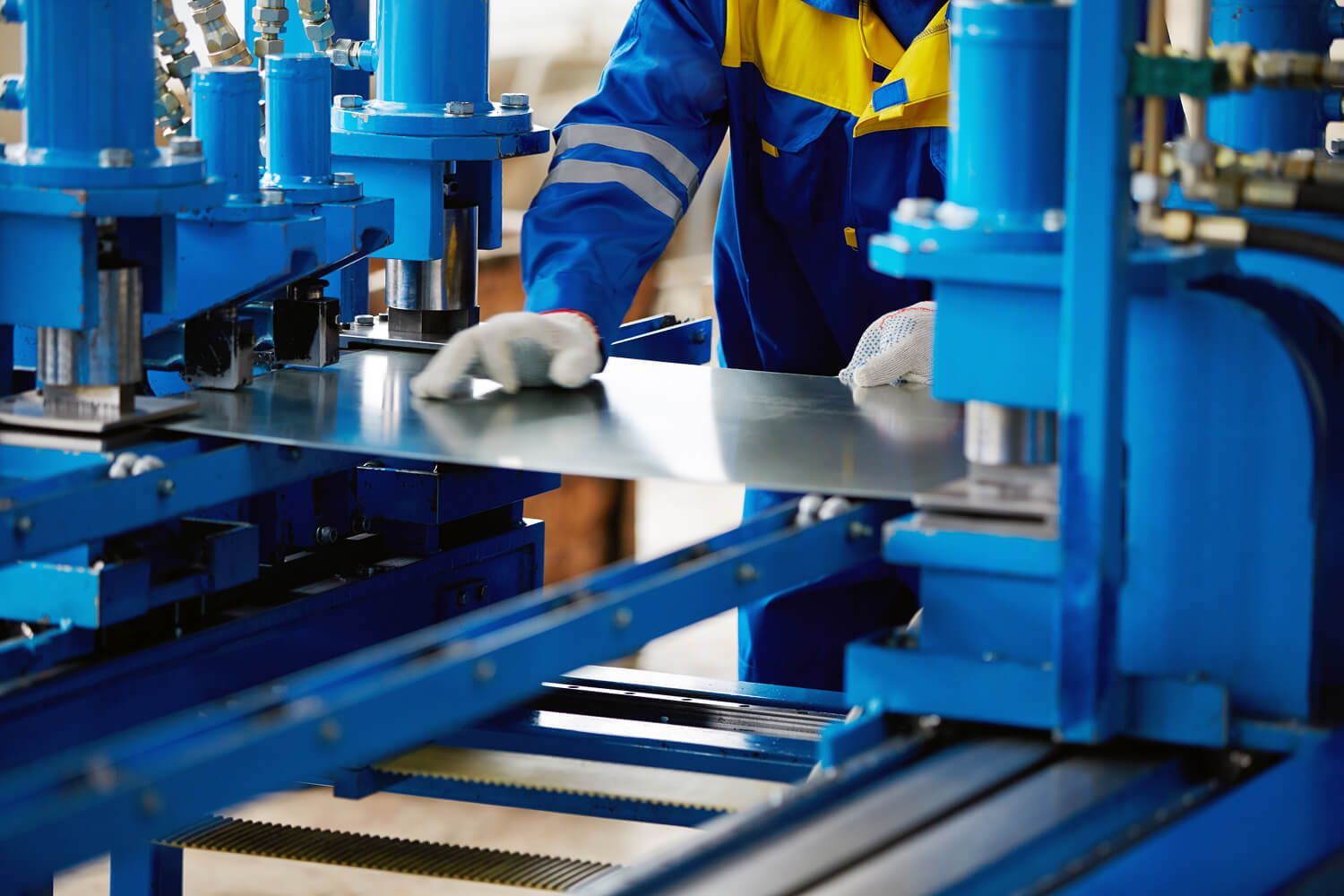
- Plate Rolling: 4-roll CNC machines form plates up to 3000mm wide and 60mm thick. Pre-bending each edge eliminates the flat ends common in older systems, producing near-seamless cylinders for pressure vessels, tanks, silos, and culverts.
Avoid costly site rework.
Inaccurate curves and last-minute welding slow progress and inflate budgets. Get it right the first time, contact us for tailored advice and fast, reliable scheduling.
Importance of Quality Control in Metal Rolling Services
Quality control ensures rolled steel meets design intent, safety requirements, and industry standards. Without strict checks, minor deviations can multiply across large batches, leading to costly rework and site delays.
Maintaining Reliability and Meeting Industry Standards
Consistency depends on discipline. A competent rolling shop keeps the final section matching the first through calibrated machines, documented procedures, and routine inspections. Key benchmarks include:
- Dimensional Accuracy: Maintain curves within
±0.5% of specification, roughly 1mm on a 200mm radius and 3mm on a 600mm radius.
- Surface Integrity:
Reject or rectify scratches and gouges deeper than 0.3mm to prevent crack initiation during service.
- Ovality: Ensure tubes and shells remain within 1% of nominal diameter, meaning a 1000mm shell may vary by no more than 10mm.
- Non-Destructive Testing: Ultrasonic testing confirms wall thickness, while dye-penetrant inspections reveal fine surface defects near welds and end preparations.
Selecting Metal Rolling Services for Industrial Steel Projects
Choosing a metal-rolling service provider influences every downstream activity. Delays or inaccuracies at this stage ripple through fabrication, transport, and erection. Price alone should never be the deciding factor.
Factors That Ensure High-Quality Fabrication in Malaysia
When assessing a rolling provider, consider the following:
- Machine Capacity: Can the equipment roll 20mm or 30mm plate consistently without overstressing the machine?
- Technical Expertise:
Do operators understand spring-back behaviour in grades such as S355 and stainless steel?
- Turnaround Time: Local facilities reduce transport costs and allow easier inspections and progress checks.
- Customisation Capability: Choose a partner able to roll complex or non-standard shapes, not just simple radii.
Why Choong Ngai Engineering Is the Ideal Choice for Metal Rolling Services
At Choong Ngai Engineering, precision is never optional. With over 20 years of specialist experience in metal rolling services, the team delivers curved beams, seamless shells, and accurately formed profiles ready for installation across Malaysia.
Planning your next industrial project?
Contact us to discuss tailored rolling solutions that transform design intent into durable, site-ready steel.