Metal Shaping Services Explained: Which Methods Work Best?
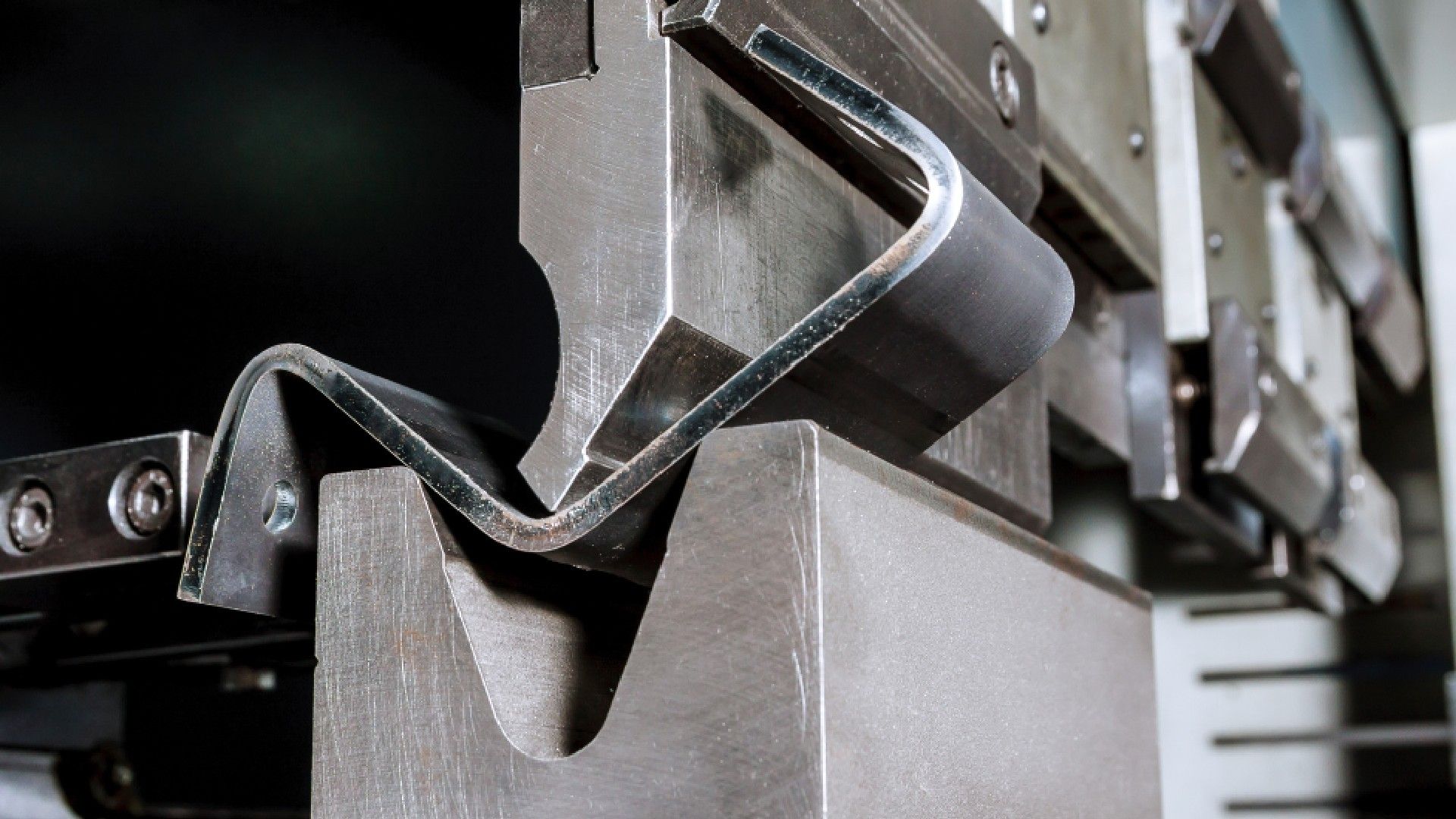
Metal shaping is used to turn flat sheets or straight sections of metal into parts that fit properly and perform well. These parts may need to handle weight, vibration or regular use. Because every project is different, engineers must choose shaping methods that suit the material, size and design of the part. This guide explains the main metal shaping services used in Malaysia, how they work, and when each method is the right choice.
What Are Metal Shaping Services and Why They Matter
Metal shaping changes the form of metal using pressure instead of cutting away large portions. This allows the grain inside the metal to follow the new shape.
When the grain flows smoothly, the finished part is often stronger and less likely to crack than a welded assembly.
This strength matters in industries where failure is not an option. Examples include heavy construction, machinery frames and oil and gas equipment, where parts must last under constant stress.
How Metal Bending Services in Malaysia Support Precision Work
Malaysia is positioning itself as a regional centre for energy projects and advanced electronics. As part of this shift, the country has set out plans to develop home-grown GPU chips to support growing demand from data centres and artificial intelligence applications.
As manufacturing requirements become more advanced, accurate metal bending plays a greater role. Local metal shaping workshops support this work with CNC press brakes and section bending machines that form metal to precise angles.
When bends are made consistently, parts fit together more easily during assembly. This reduces adjustment work on the production floor and helps projects progress smoothly from fabrication to installation.
Exploring Key Metal Rolling and Forming Processes
Metal rolling shapes material by passing it through rollers. This can reduce thickness, keep it even, or curve it into a required form. By adjusting pressure and temperature, engineers control both the strength and finish of the metal.
Understanding Different Metal Rolling Techniques
Metal rolling methods are grouped by how hot the material is during forming:
- Hot Rolling: The metal is heated first, making it easier to shape into thick plates, beams and structural sections. Surface finish is less refined, but shaping large components becomes more practical.
- Cold Rolling: Rolled at room temperature, this method improves strength and surface smoothness. It also allows tighter control over size and thickness.
- Plate Rolling: Flat plates are curved into cylinders or cones, commonly used for tanks, vessels and large pipes.
- Section Rolling: Also known as angle rolling, this process bends profiles such as channels or tubes into smooth curves, often for frames, rings or railings.
Small errors can create big problems.
Even a slight mis-bend can lead to rework, delays and higher costs. Understanding metal shaping methods early helps avoid these issues and keeps projects on track. Contact us to learn how metal shaping can keep your project on schedule and within budget.
Sheet Metal Shaping Techniques for Diverse Industrial Needs
Sheet-metal shaping supports many everyday and industrial products. The correct method depends on how many parts are needed, how complex the shape is, and what finish is expected.
Common Sheet Metal Techniques and Their Applications
Most industrial projects use a combination of the following 5 techniques:
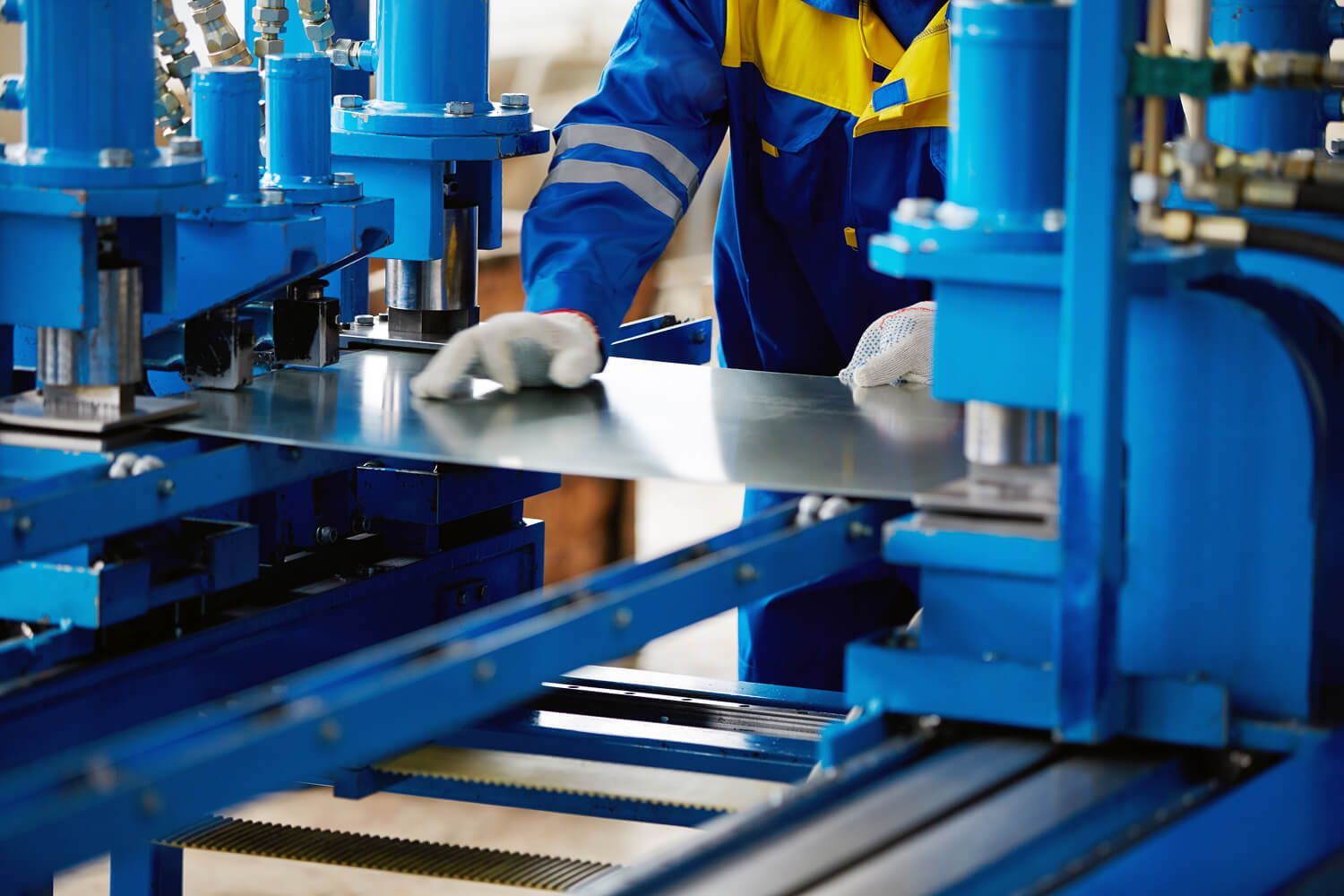
- Press Braking: The most common method. A punch and die bend sheet metal into simple shapes such as panels, brackets and enclosures.
- Drawing:
The sheet is pulled into a die, forming deeper shapes like housings or containers.
- Spinning: A rotating sheet is shaped over a mould, producing round and symmetrical parts.
- Stamping: Presses shape metal in one fast motion, making this method suitable for large quantities of identical parts.
- Roll Forming: Metal passes through a series of rollers, each adding a small bend until the final shape is reached. This works well for long, uniform sections.
Benefits of Tailored Metal Fabrication for Complex Designs
Shaping metal to suit a specific design helps parts fit better and often reduces the number of welds needed. Fewer welds usually mean fewer weak points and better long-term performance.
Custom shaping is also useful when working with specialised alloys, which may require controlled handling to avoid distortion or damage during forming.
Industrial Metal Shaping Capabilities Driving Quality and Efficiency
Metal shaping improves strength while reducing waste. Because material is formed rather than removed, the metal remains continuous and durable. This makes shaped parts suitable for demanding environments where reliability is essential.
Choosing the Right Metal Shaping Services Based on Your Project Requirements
Selecting the best metal shaping method depends on 4 critical factors:
- Material Thickness: Thin sheets suit stamping or spinning. Thicker materials require plate rolling or high-tonnage bending.
- Production Volume: Small batches benefit from flexible forming methods, while large volumes may justify specialised tooling.
- Tolerance Levels: Tight tolerance work depends on CNC-controlled forming and
cold rolling.
- Part Shape: Simple bends are straightforward. More complex shapes may need drawing or multiple forming steps.
Experience Trusted Metal Shaping Services by Choong Ngai Engineering
At Choong Ngai Engineering, we focus on getting the fundamentals right. With over 20 years of experience, we support a wide range of industrial metal shaping needs across Malaysia.
If you’re planning a project that requires reliable metal forming,
contact us today for a no-obligation discussion and quote.