Achieving Precise Bend Allowance with Metal Bending Services
TL;DR Section:
Discover how precise bend allowance in metal bending services can help you achieve reliable, cost-effective results for your fabrication projects within Malaysia’s industrial sectors. This article guides you through essential factors, calculation steps, and best practices—empowering you to make informed decisions when sourcing metal bending solutions for your next fabrication project.
Precision in metal bending is crucial for industries that demand both durability and cost-efficiency. Whether you’re managing a large-scale construction project or a bespoke fabrication order, understanding how bend allowance impacts the final product can help you avoid costly errors and ensure long-term performance.
For businesses seeking metal bending services in Malaysia, knowing what defines accuracy and reliability is essential to achieving the desired results.
Key Factors: Metal Thickness and Bend Allowance
Before diving into the technicalities of metal bending, it’s essential to understand the foundational elements that influence every project’s outcome. The 2 most critical factors—metal thickness and bend allowance—set the stage for achieving both precision and durability in the
processes of metal fabrication.
Why Thickness and Allowance Matter in Bending
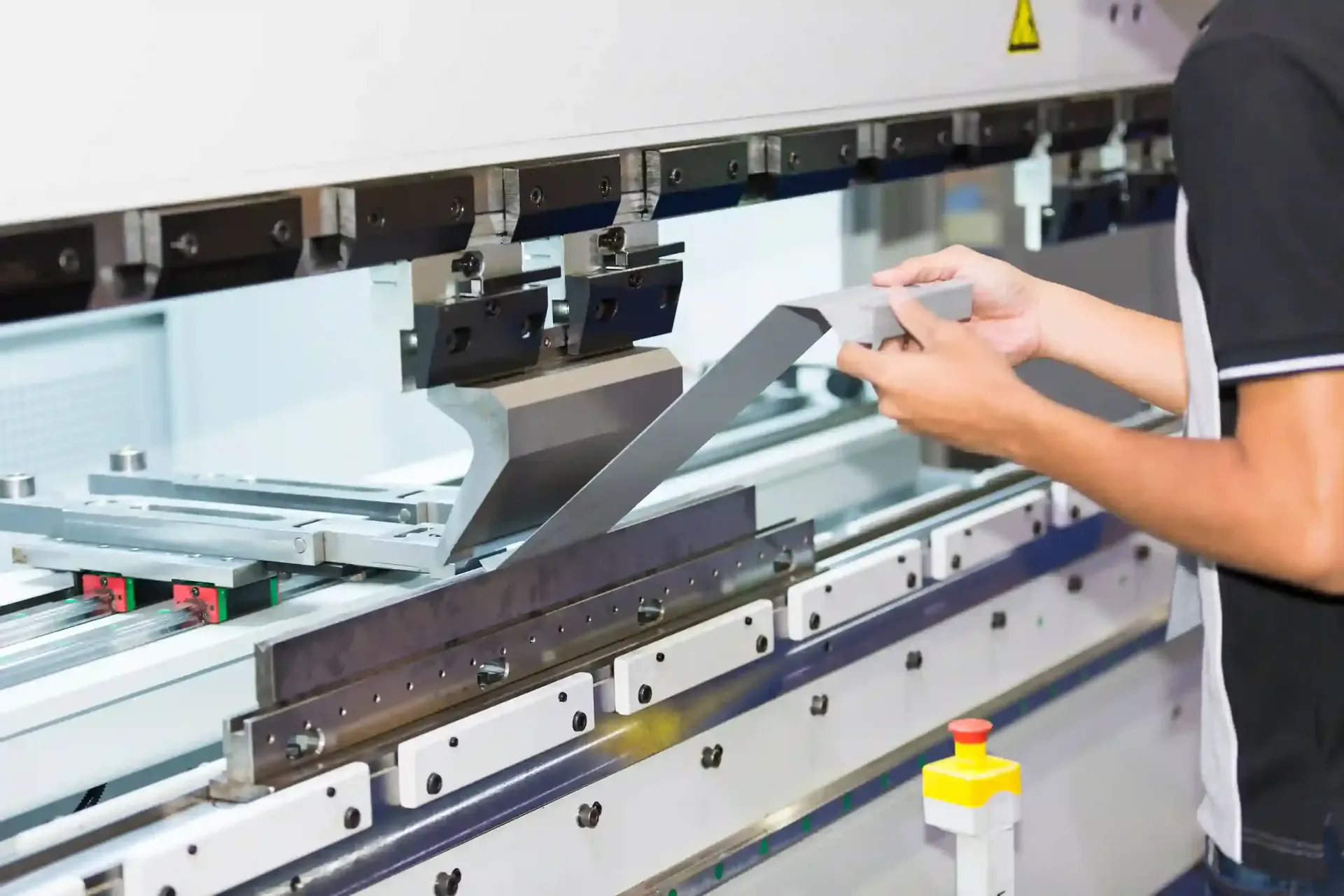
Metal thickness and bend allowance are the foundation of accurate metal forming. The thickness of your chosen material directly influences how much it will stretch and compress during bending.
If not properly accounted for, this can lead to:
- Cracks
- Warping
- Misaligned parts.
These can lead to issues that compromise both function and appearance. Bend allowance refers to the extra material required to accommodate the bend. It’s a calculated value that ensures the final dimensions of your part match your design specifications.
For example, a thicker stainless steel sheet will require a larger bend allowance than a thinner one, due to increased resistance and material flow.
Simple Steps to Calculate Bend Allowance
Calculating bend allowance doesn’t have to be complex. Here’s a straightforward approach:
- Identify Material Thickness and Bend Angle: Start with the thickness of your sheet metal and the angle you intend to bend.
- Determine the Bend Radius: The inside radius of the bend is critical for accuracy.
- Use the Standard Formula:
Bend Allowance = (Bend Angle×π/180) × (Bend Radius+K×Material Thickness)
K-factor is a material constant (typically 0.3–0.5 for most metals). - Apply the Result: Add the bend allowance to your flat pattern to ensure the finished part meets your design.
- Or use a bend allowance calculator for guidance.
Minimum Bend Radius and Tolerance Control for Sheet Metal Bending
Once you’ve established the right approach to thickness and allowance, the next step is to ensure your bends are both strong and consistent.
Reputable metal bending services in Malaysia pay close attention to minimum bend radius and tolerance control, helping clients avoid common pitfalls and maintain the integrity of their designs.
Choosing the Right Bend Radius for Sheet Metal
Selecting the correct bend radius is essential to prevent cracking and maintain structural integrity. The minimum bend radius depends on the material type and thickness. For stainless steel custom-made applications, a common rule is to use a bend radius at least equal to the material thickness.
This minimises the risk of fractures and ensures a smooth, consistent bend. Industry standards, such as those outlined by the
Department of Standards Malaysia (JSM) and
SIRIM, provide guidelines for minimum bend radii based on material properties.
How to Maintain Tolerance in Metal Bending
Maintaining tight tolerances in metal bending is essential for parts that must fit together precisely. Several factors can influence the consistency and accuracy of finished components:
- Material Consistency: Variations in material properties can affect bend outcomes.
- Equipment Calibration: Well-maintained machinery ensures repeatable results.
- Environmental Conditions: Temperature and humidity can influence metal behaviour.
- Process Documentation: Keeping detailed records helps identify and correct deviations.
Curious how these principles apply to your next project?
Contact us via WhatsApp for advice on metal bending allowance and tolerance to streamline your fabrication planning.
Improving Bend Accuracy in Fabrication Projects
Even with careful planning and adherence to standards, achieving the highest level of bend accuracy requires attention to additional variables throughout the fabrication process. The most reliable results are often seen when expert fabricators manage these factors:
Factors That Affect Bend Accuracy
Several variables can impact the accuracy of your bends:
- Material Grain Direction: Bending parallel to the grain can cause cracking; perpendicular bends are generally stronger.
- Tooling Condition: Worn or mismatched dies can introduce errors.
- Operator Skill: Experienced technicians can adjust for subtle material differences.
- Bend Sequence: The order in which bends are made affects the final geometry.
Design Considerations for Reliable Results
Providers who consistently achieve dependable results typically demonstrate strengths in several key areas:
- Allowance for Tolerances: Experienced fabricators incorporate realistic tolerances into their designs to ensure parts fit and function as intended.
- Simplicity in Geometry: Designs that avoid unnecessary complexity are generally easier to reproduce accurately, reducing the risk of errors during fabrication.
- Material Specification: Clearly defined material grades and properties help prevent unexpected variations in bending behaviour, supporting greater consistency in finished parts.
- Early Collaboration: Providers who engage with clients during the design phase can help identify potential challenges before production begins, streamlining the path to a successful outcome.
When evaluating a fabrication partner, it’s worthwhile to consider how they approach these design factors, as this can significantly influence the reliability and quality of your project.
Contact Choong Ngai Engineering for Metal Bending Services
When precision and durability matter, partnering with a metal fabrication and repair provider known for durable, cost-effective solutions can make all the difference. For tailored advice on advanced
metal bending services for your project in Malaysia,
contact our team at Choong Ngai Engineering to discuss your requirements or request a quote.