What Your Drawings Need for Stainless Steel Fabrication
TL;DR:
- Writing "stainless steel" in a title block is not sufficient: SS304 and SS316 are priced differently, and an unspecified grade will either delay your quote or make it impossible to compare across fabricators.
- Stainless steel has a higher minimum bend radius than mild steel of the same thickness because it work-hardens during bending; drawings that ignore this will either be flagged or produce parts that fail in production.
- Over-specified tolerances across an entire drawing inflate the quote: only dimensions that genuinely require tight callouts should carry them.
- Weld symbols, surface Ra values, and passivation requirements must appear on the drawing itself, not in a verbal briefing: fabricators cannot price work that depends on undocumented assumptions.
- Submitting a DXF or STEP file alongside your PDF removes the re-drawing step, reduces reinterpretation risk, and shortens the quoting cycle.
A fabrication drawing that passes internal review can still stop a job before it starts. The geometry may be correct, the dimensions checked, and the file format accepted, and a fabricator will still come back with questions before they can issue a price.
In
stainless steel fabrication, those questions almost always trace back to the same small set of missing details: a grade callout that says "SS" rather than SS304 or SS316, a bend radius that looked achievable on paper but cannot be held in the material, or a surface finish requirement that was never documented. Each one of those gaps triggers a clarification cycle. Each clarification cycle pushes your production slot.
This guide covers what needs to be on your drawing before it goes out, and where each detail needs to appear, so it arrives as a fabrication-ready document rather than a starting point for questions.
Why Your CAD Design for Stainless Steel Fabrication Is Not Always Shop-Floor Ready
The most common gaps appear before the drawing ever reaches the shop floor. Missing grade callouts, absent weld symbols, or unstated surface finish requirements each force a fabricator to stop the job and request clarification. That clarification cycle, even a single round, can add days to the quoting process and push your production slot back.
The gap between design intent and production output is almost always a documentation problem, not a fabrication one. A computer-aided design (CAD) file that passes internal review can still fall short of what a fabricator needs to nest, cut, and weld the part correctly.
Before you send the next set of files, check whether they can stand alone without a verbal explanation. If a fabricator needs to call you before they can price the job, the drawing is not ready to go out.
What Grade and Thickness Information Must Appear on Your Fabrication Drawing?
Grade and thickness must be explicit, not assumed. Writing "stainless steel" in the title block is not sufficient. A fabricator pricing SS304 will return a figure that is not comparable to one pricing SS316, the 2 most common austenitic stainless steel grades, and the fabricator who guesses wrong will either requote or absorb the difference in margin.
For components used in food processing, chemical handling, or high-humidity environments, grade selection has direct compliance implications. If SS316 is the correct material for the application, the drawing must say so explicitly.
Before sending, confirm:
- Grade and thickness appear on every component view, not just the title block.
- The grade specified reflects the actual operating environment (not a CAD template default).
- The specification has not been carried over from a previous job in different conditions.
For compliance-sensitive applications, material traceability (confirmation that the steel supplied matches the grade specified) begins with an accurate callout on the drawing.
.
Are Your Tolerance Callouts Slowing Down Your Fabrication Quote?
Over-specified tolerances are one of the most common causes of inflated quotes in precision stainless steel fabrication. When every dimension carries a tight callout, a fabricator must price for precision tooling across the entire part, even if only 2 or 3 features genuinely require that level of accuracy. Before the drawing goes out, check whether each tolerance is present because the application requires it, or because it carried over from a previous design.
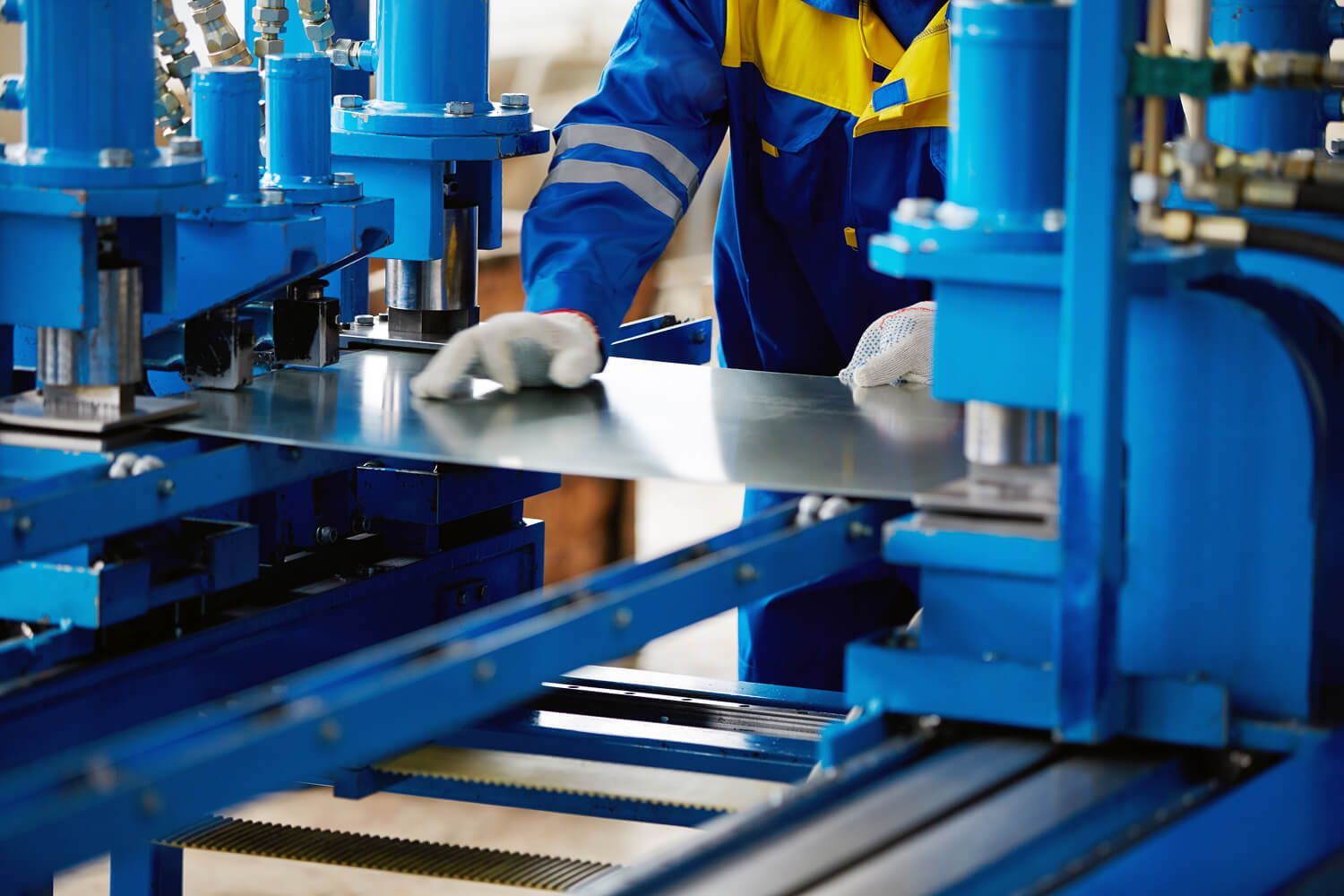
Bend radii are a frequent source of revision requests. Stainless steel work-hardens as it bends, which means the minimum achievable bend radius is higher than it would be for mild steel of the same thickness. If your drawing specifies a radius the material cannot hold, the quote will flag it or the part will fail in production. Confirm the bend radii on your drawing are achievable in the grade and thickness you have specified. The same principle applies further down the drawing, where weld and surface finish requirements can create their own specification gaps.
.
The wrong grade specification does not show up in your CAD file. It shows up as an incomparable quote or a compliance failure. At Choong Ngai Engineering, we check grade callouts before we price the job.
Contact us
to get your drawings reviewed.
Weld Callouts and Surface Finish: What Your Drawings Must State
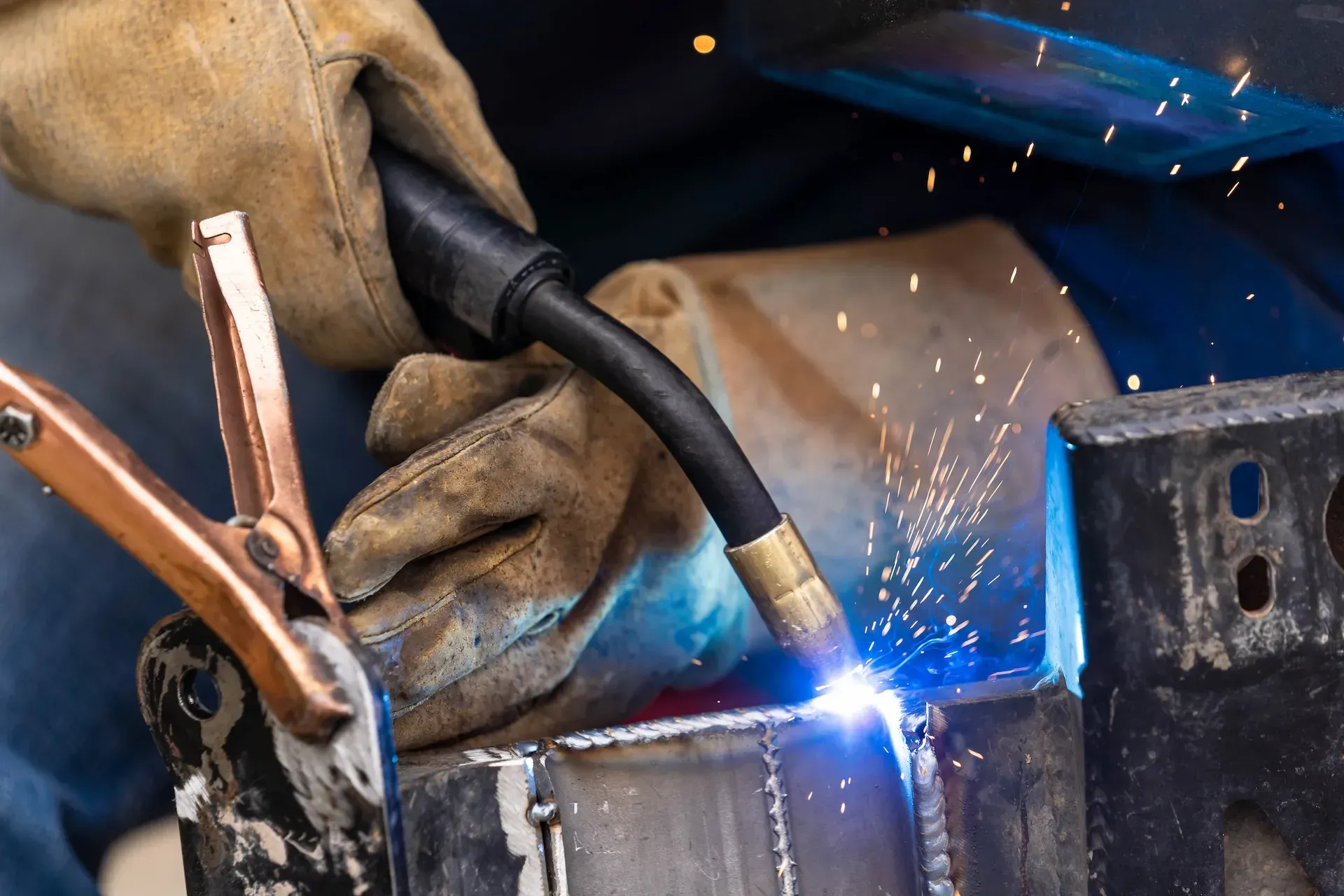
A drawing that says “weld as required” gives a fabricator no reliable basis for pricing weld consumables, labour time, or post-weld finishing. Weld details should be called out using standard symbols, not left to assumption. If the weld standard is not on the drawing, it will either be assumed or queried, and neither outcome moves the job forward.
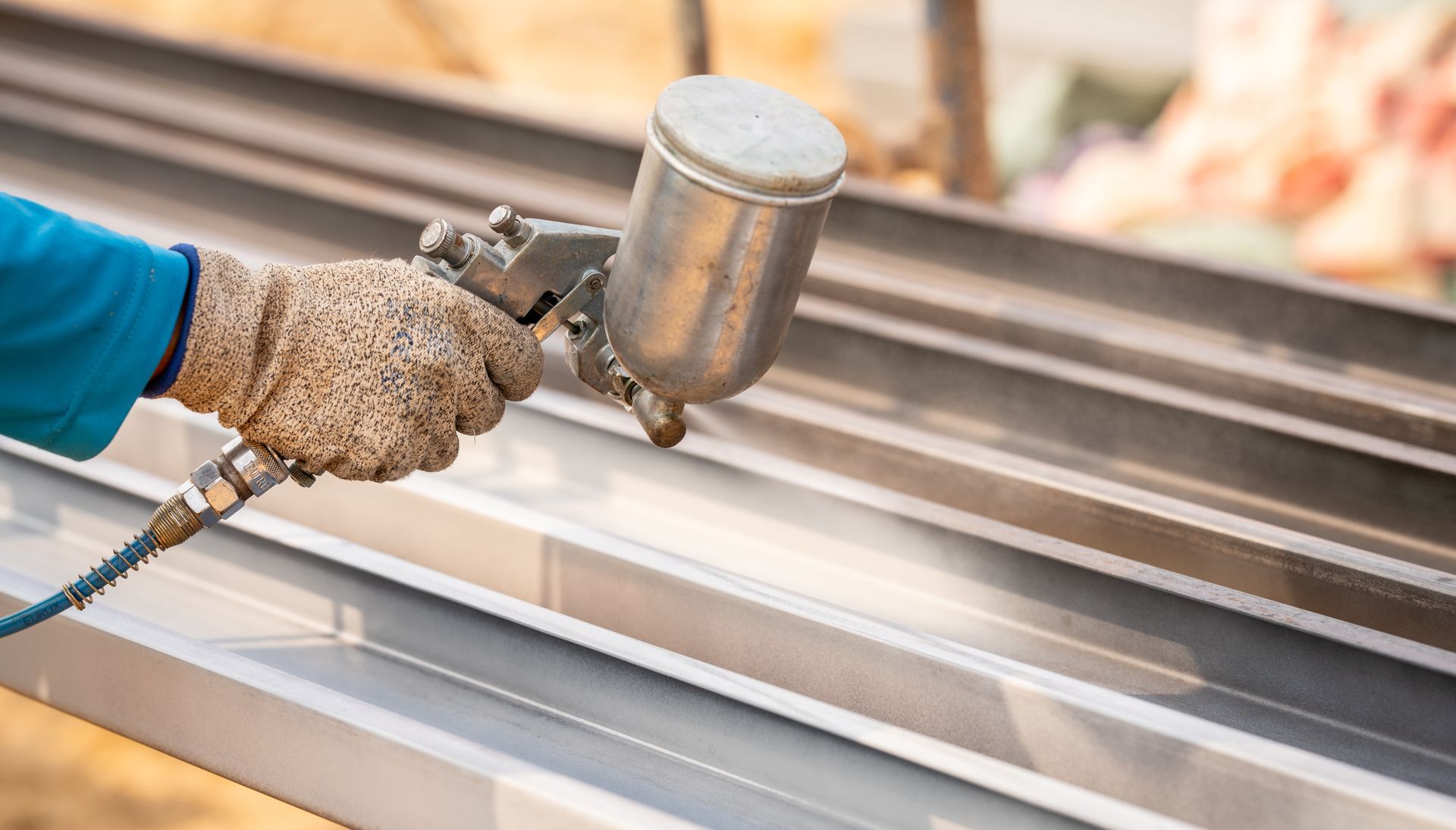
Surface finish requirements must also be stated explicitly. This matters most for food processing or pharmaceutical applications, where a specific Ra value (a measure of surface roughness) or
passivation treatment (a chemical process that improves corrosion resistance) may be a compliance requirement rather than a preference.
A fabricator who discovers these requirements after production has started cannot undo the work already done.
Use this as a quick reference for where each requirement must appear on the drawing.
| What to Specify | Where It Must Appear on the Drawing |
|---|---|
| Weld Type | Weld symbol on the joint, using AWS A2.4 or ISO 2553 |
| Weld Size | Dimension callout alongside the weld symbol |
| Weld Position | Noted on the relevant view or in the weld symbol tail |
| Surface Ra Value | Stated on the face(s) requiring the finish, or in a general notes block |
| Passivation Requirement | General notes block or surface finish callout |
| Heat Discolouration Restriction | Callout on the affected face(s) |
What File Formats to Submit with Your Metal Fabrication Drawings
Sending a portable document format (PDF) drawing is workable, but also including a Drawing Exchange Format (DXF) or Standard for the Exchange of Product model data (STEP) file removes the need for re-drawing before nesting it for cutting. That re-drawing step adds time to the quoting cycle and introduces the risk of reinterpretation errors. Processes such as laser cutting, plate rolling, and forming all benefit from a clean, correctly formatted CAD file at the point of submission.
For parts with complex geometry or multi-component assemblies, a STEP file gives the fabricator a 3-dimensional reference that reduces the reinterpretation risk that a 2D drawing alone carries.
Before submitting, check the title block:
- Part name is present and matches the drawing body.
- Material grade is stated and consistent throughout.
- Drawing scale is indicated on every view.
- Revision number is current.
- Issue date is present.
- File sent is confirmed as the correct revision.
Get an Accurate Stainless Steel Fabrication Quote from Choong Ngai Engineering
You should not need 3 or 4 rounds of back-and-forth before a fabricator can give you a fixed price. At Choong Ngai Engineering, we review drawings and flag missing details before quoting, so the price reflects the actual scope of work rather than assumptions made in the absence of information.
With over 25 years of stainless steel fabrication experience in Malaysia, we support manufacturing, food processing, chemical, and heavy industrial projects. Our team can advise on material grade, tolerance requirements, and surface finish specifications before production begins.
If your drawings are ready, send them across. We will check the details, flag any gaps, and let you know what to add before we issue a quote.
Get in touch with us to start your project enquiry.