Why Flange Drilling Decisions Carry Real Downtime Risk
TL;DR:
- The decision between portable flange drilling and workshop CNC milling comes down to 2 questions: is the pipeline currently in service, and is the workpiece geometry irregular?
- Portable drilling suits installed pipelines that cannot be removed within the available shutdown window. No transport or disconnection is required.
- Large, irregular, or heavily damaged workpieces often cannot be reliably gripped by portable tooling. A workshop setup with CNC bed milling is typically the safer route for these.
- ASME B16.5 bolt circle tolerances apply regardless of method. Confirm that your chosen approach can hold the required hole spacing and pitch-circle diameter before committing.
- Request a joint assessment of both the pipeline's in-service status and the workpiece geometry before deciding. The 2 factors should be reviewed together, not separately.
The drilling itself is rarely the problem. Choosing portable equipment for a job that needs a workshop can cost an operation real money. So can sending a component across town when it could have been drilled in place. In flange drilling, the method decision carries more downtime risk than the machining itself.
This guide helps asset managers weigh portable flange drilling on site against workshop-equipped computer numerical control (CNC) bed milling, so the method fits the job rather than the other way around.
Before comparing quotes, check whether your component is installed and in service, or removable and irregular in shape. That single distinction drives most of what follows.
What Decides Whether You Drill a Flange On Site or in a Workshop?
Choosing between on-site and workshop flange drilling depends more on geometry and operating conditions than preference.
The main questions are: can the pipeline be taken out of service; does the workpiece have an irregular shape; and how tight are the required tolerances? For example,
American Society of Mechanical Engineers (ASME) B16.5 bolt circle tolerances may require close control over both bolt circle diameter and hole spacing, regardless of which method is used.
A straight, accessible flange on an installed pipeline can often be drilled in place. A large or irregular vessel component may not suit standard portable equipment and may need to be moved to a workshop.
Rather than defaulting to whichever method is most familiar, first check whether the pipeline is currently in service. Then confirm whether the workpiece will fit standard workshop fixtures before comparing quotes.
When Portable Flange Drilling Is the Right Call for Plant Maintenance
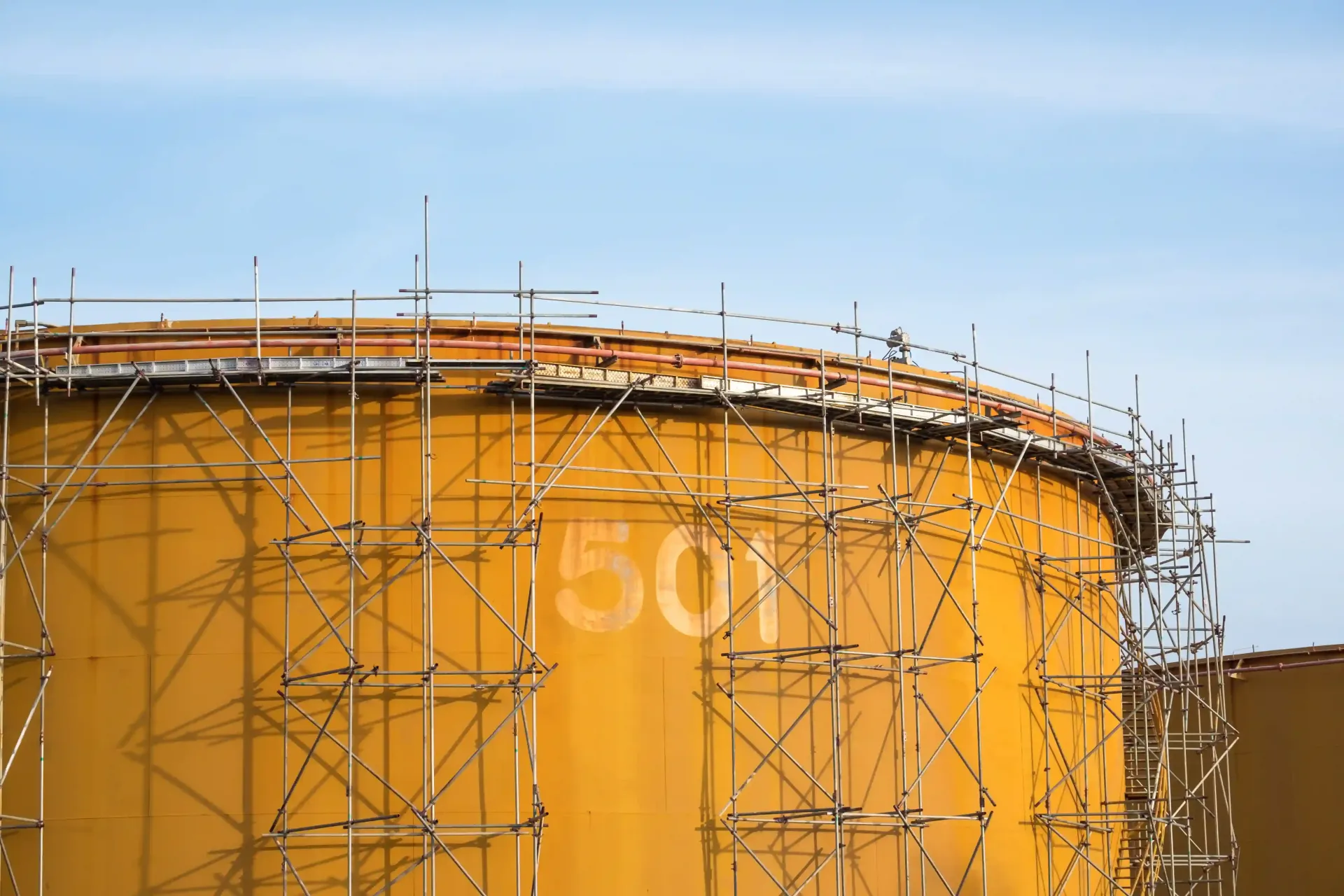
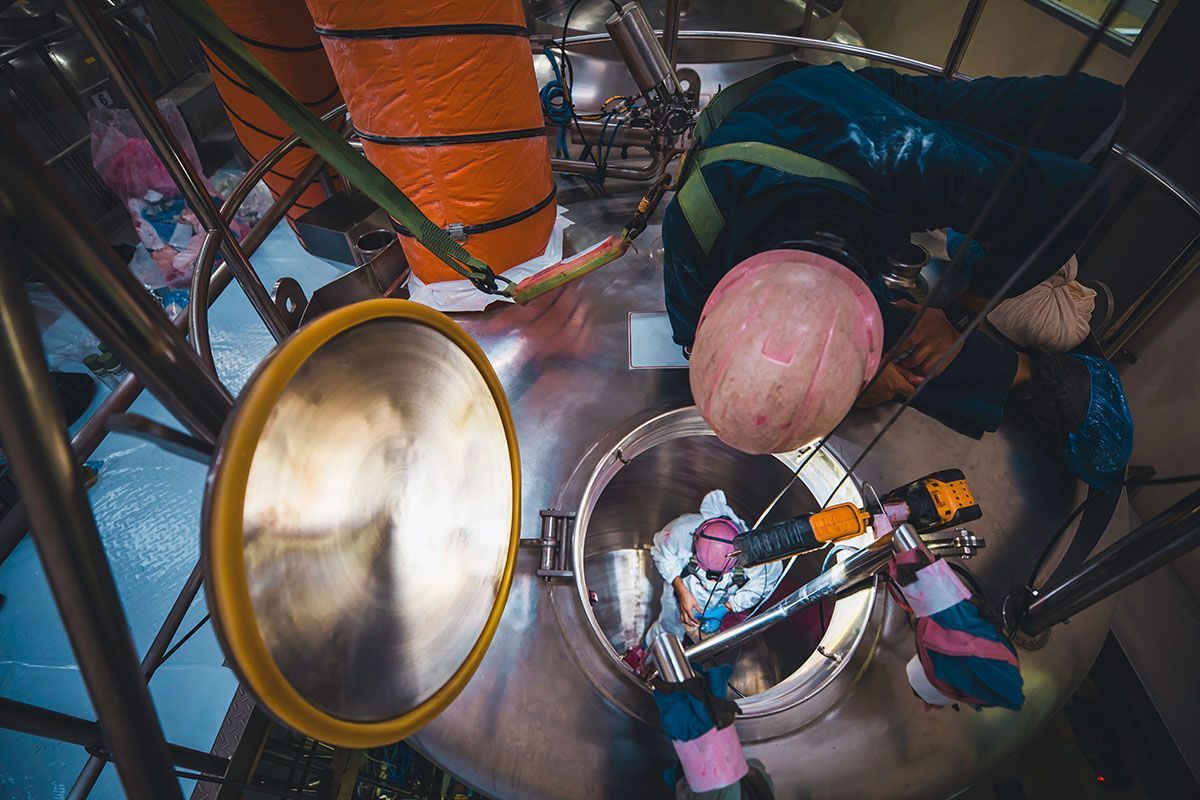
Portable flange drilling is often the better option when a pipeline is installed, pressurised, or cannot be taken out of service long enough for removal and transport. In shutdown and turnaround maintenance, avoiding the removal sequence entirely can be the deciding factor.
The equipment mounts directly onto the pipeline in place, maintaining alignment and accuracy without disturbing the surrounding system. The pipeline does not need to be disconnected, rigged out, transported to a workshop, and returned. For operations where every hour of downtime carries a measurable cost, that sequence adds up quickly.
Before assuming workshop transport is viable, check whether your shutdown window allows for full removal at all. If it does not, on-site portable drilling may be the only practical option, regardless of other considerations.
Not sure whether your shutdown window allows for full removal? Choong Ngai Engineering can review your pipeline's in-service status and recommend the right flange drilling method before work begins.
Contact us for a free assessment.
Field Machining vs Workshop Fabrication: Where the Costs and Risks Differ
Cost and risk sit differently on each side of the decision, and neither route is universally cheaper or safer.
For operations involving pressurised or live systems, safe isolation and permit-to-work procedures under Malaysia's Occupational Safety and Health Act 1994 should be confirmed before any on-site machining begins.
| Factor | On-Site Portable Drilling | Workshop CNC Machining |
|---|---|---|
| Main Cost Drivers | Mobilisation, on-site labour rates | Rigging, transport, workshop queue time |
| Access Constraints | Working on or near a live, installed pipeline | Workpiece must be removable and transportable |
| Primary Risk | Downtime window extends if problems arise on site | Damage in transit, or workshop schedule misaligning with your shutdown window |
| Machining Control | Dependent on field conditions and portable tool limits | More controlled and repeatable once fixtured on a CNC bed |
Which route costs less depends on what downtime means in your operation versus what transport and queue time add. Before locking in either, consider requesting a joint assessment that covers both the pipeline's in-service status and the workpiece's geometry.
Avoid Costly Flange Drilling Errors with Expert Guidance from Choong Ngai Engineering
The right method depends on whether the pipeline is installed and in service, and on the shape of the workpiece. These 2 factors should be reviewed together before deciding between on-site and workshop drilling.
At
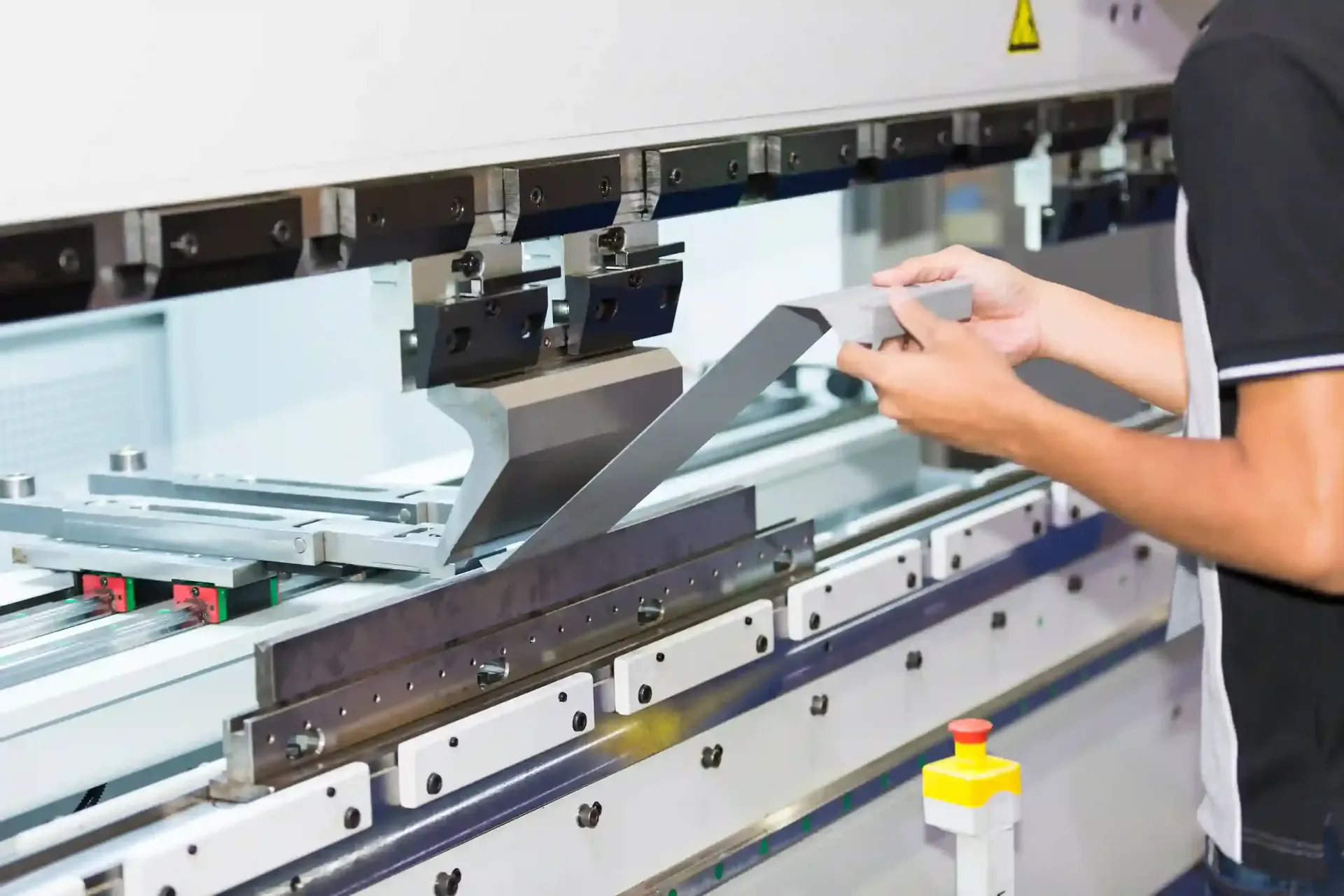
Choong Ngai Engineering, we offer both portable on-site flange drilling and workshop-based CNC bed milling for large or irregular components. Our portable rigs clamp directly onto installed flanges or pipes. In the workshop, we use CNC bed mills, radial drills, and carbide tooling with flood coolant for precision work on carbon steel, stainless steel, and duplex alloys.
Before despatch, every drilled flange is checked for hole spacing, pitch-circle diameter, and perpendicularity.
If you are working through a shutdown and need to confirm the right approach before work begins, we are happy to help.
Contact us for a free quote, or call us directly on +6012-272 6971.