What Is Metal Fabrication? Types, Processes and Materials Explained
A worker bending sheet metal using a press brake machine, which is a core process in metal fabrication in Malaysia.
TL;DR:
- Metal fabrication shapes solid stock through cutting, bending, welding, and finishing: the right method for custom dimensions, complex geometry, and non-catalogue production runs.
- Stainless steel and aluminium require specialist processes. Specifying the wrong grade is avoidable if a fabricator is engaged before drawings are finalised.
- Components pass through multiple processes in sequence. A planning mistake does not surface until installation, when it costs significantly more to fix.
- Custom fabrication is correct when catalogue parts no longer exist, site constraints dictate non-standard dimensions, or load requirements exceed what standard sections can provide.
- When evaluating a fabricator, ask for material and process experience, documented project examples, and confirmation that concerns are flagged before work starts.
Table of Contents
- What Is Metal Fabrication?
- What Processes Are Involved in Metal Fabrication?
- What Materials Are Used in Metal Fabrication?
- Where Metal Fabrication Is Used Across Malaysia's Industrial Sectors
- Custom Metal Fabrication vs Standard Parts: What Is the Difference?
- What to Look for When Choosing a Metal Fabricator in Malaysia
- How Choong Ngai Engineering Approaches Each Metal Fabrication Project in Malaysia
- Frequently Asked Questions About Metal Fabrication
Most fabrication problems start before production. The wrong material grade, the wrong process sequence, or the wrong fabricator appointed too late: each of these decisions is harder and more expensive to correct once work has begun. By the time the error surfaces, it is usually at installation, when the cost of fixing it is significantly higher than the cost of avoiding it.
Understanding where those decisions sit and what each one involves is what this article covers. The processes, materials, and selection criteria behind metal fabrication in Malaysia, including when custom metal fabrication is the right call, are what determine whether a project goes to plan or not. Getting any one of them wrong does not become visible until it is expensive to fix.
What Is Metal Fabrication?
Metal fabrication transforms solid metal stock (sheets, bars, tubes, and structural sections) into finished components through cutting, bending, welding, and finishing. It is distinct from 2 other manufacturing methods that are often confused with it.
| Method | How It Works | Key Distinction |
|---|---|---|
| Casting | Pours molten metal into a mould and allows it to solidify | Suited to high-volume, complex geometries, but requires significant tooling investment upfront |
| Machining | Removes material from a solid block using cutting tools | Achieves very tight tolerances, but less suited to large structural assemblies or custom shapes |
| Fabrication | Shapes solid metal stock through cutting, bending, welding, and finishing | The practical choice for custom dimensions, complex geometry, and runs that do not justify mass-manufacture tooling |
Metal fabrication in Malaysia supports both general manufacturing and specialist industrial sectors. It is the appropriate method when components must be produced to non-standard dimensions, when geometry is too complex for catalogue parts, or when production volumes do not justify the tooling investment required for mass manufacture.
Output ranges from single bespoke components to complete structural assemblies, produced to client drawings and verified against specification before dispatch.
What Processes Are Involved in Metal Fabrication?
Most fabricated components pass through more than one process. A storage tank moves from plate cutting to rolling, welding, and finishing before it is installation-ready.
The 6 core processes are outlined below:
| Process | What It Involves | Typical Use Case |
|---|---|---|
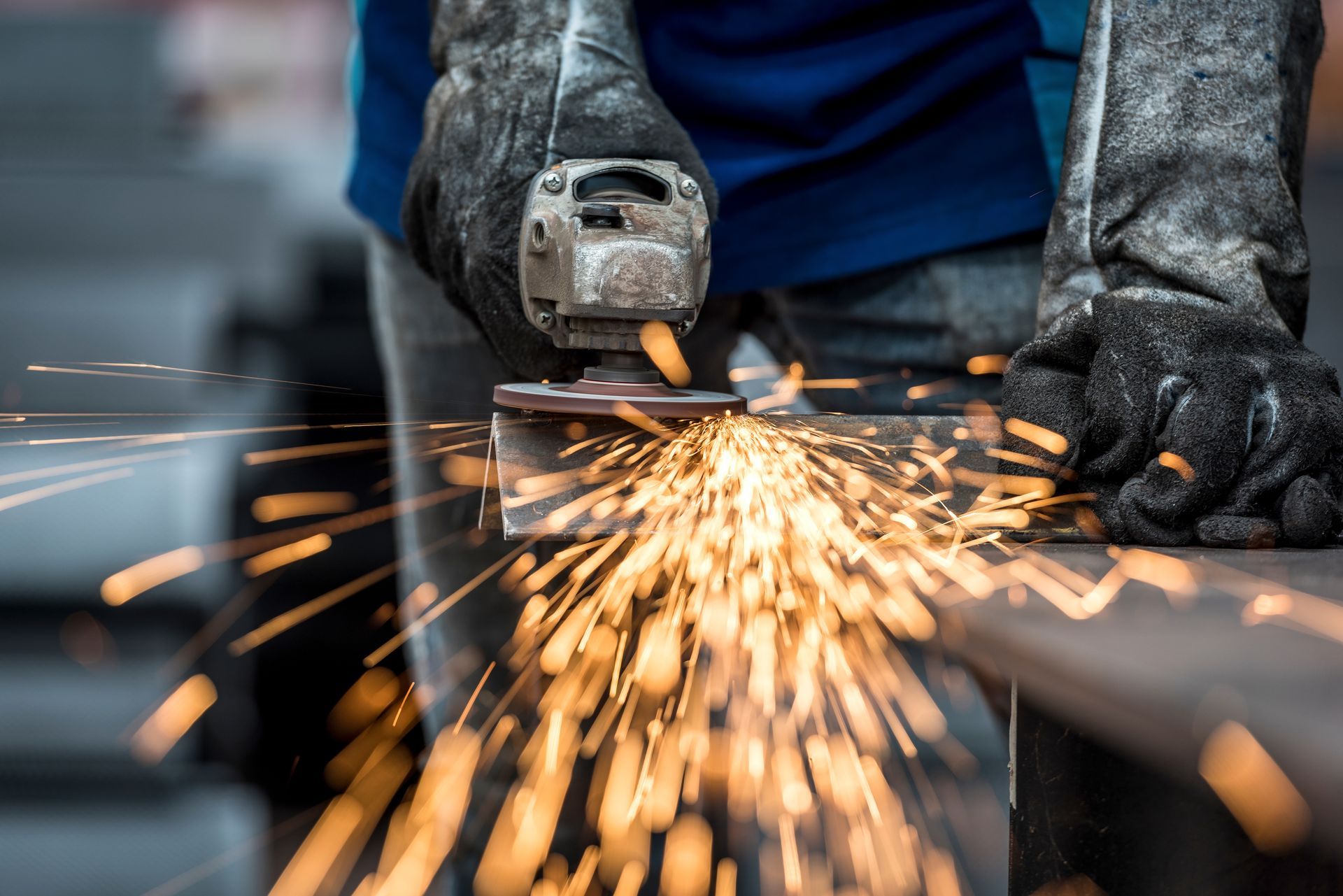
| Cutting | Separating raw stock using laser, plasma, waterjet, or mechanical shearing | Blanking sheet metal, profiling structural sections, preparing plate for rolling |
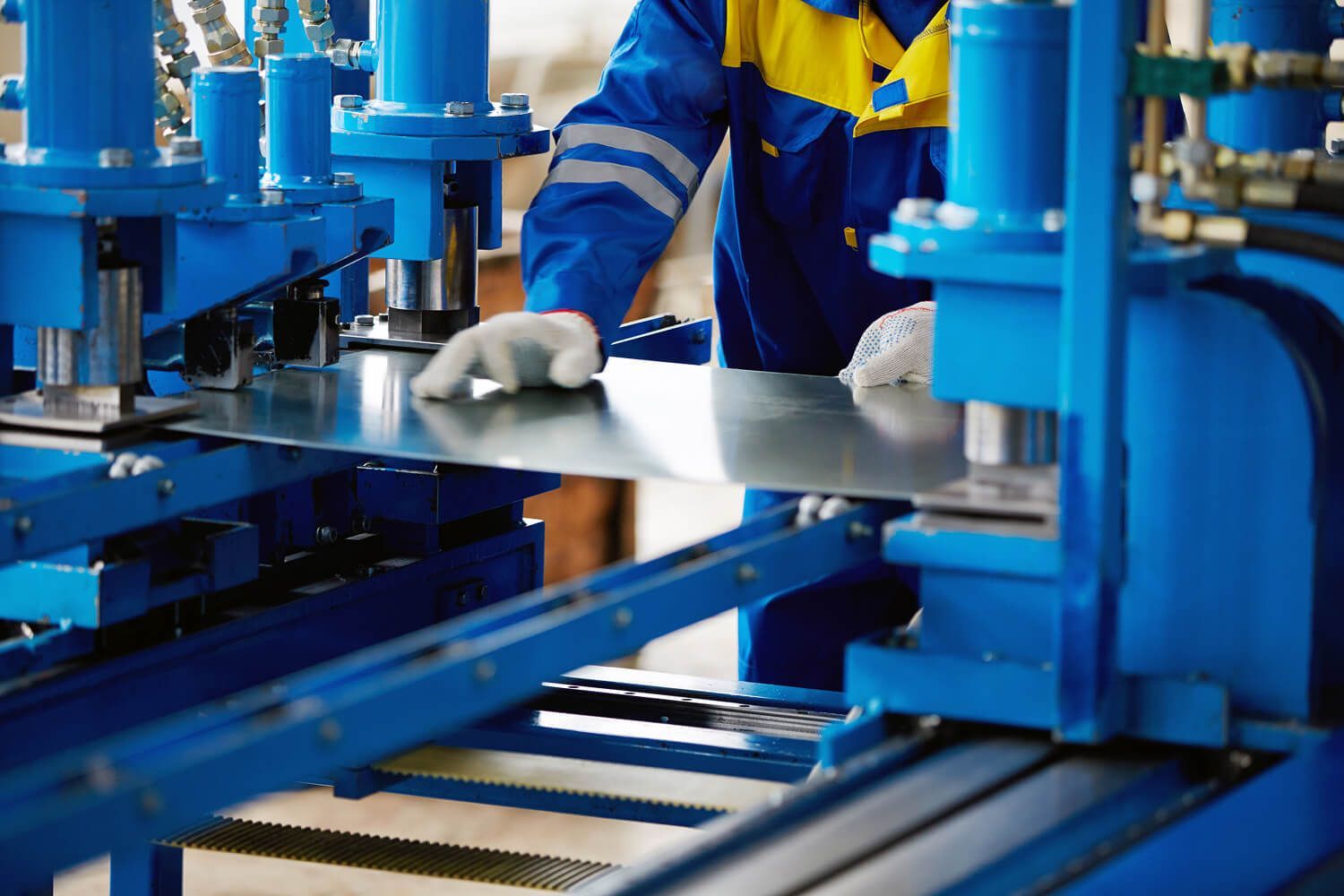
| Bending and Forming | Deforming metal into angles or curves using press brakes or roll-forming machines | Enclosure panels, tank shells, structural brackets |
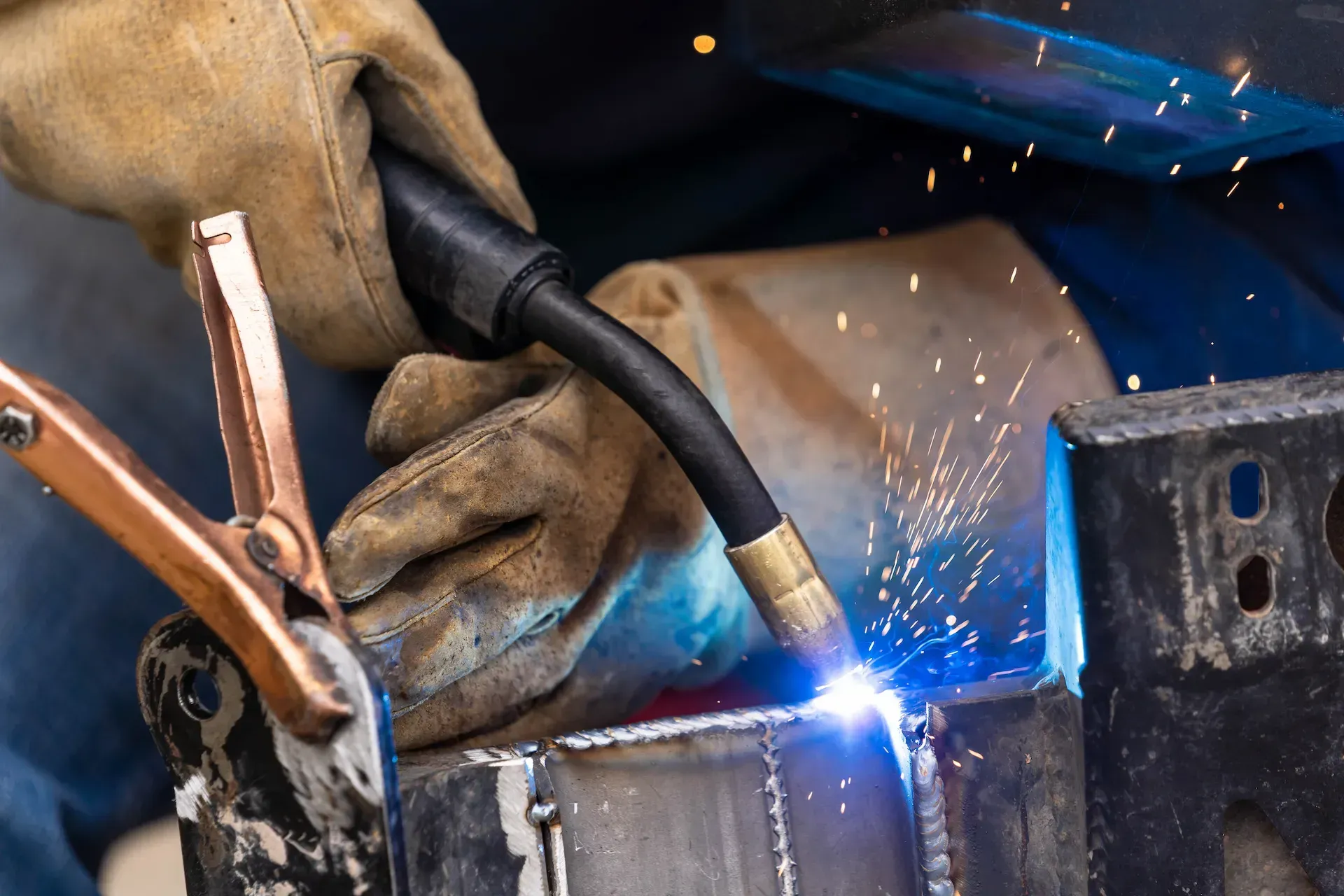
| Welding | Joining metal sections using MIG, TIG, arc, or spot welding processes | Structural assemblies, vessel fabrication, frame construction |
| Machining | Removing material via CNC milling, turning, or drilling to achieve precise dimensions | Flanges, shafts, bearing housings, precision components |
| Assembly | Joining fabricated parts using bolting, riveting, or adhesive bonding | Multi-component structural units, machinery frames |
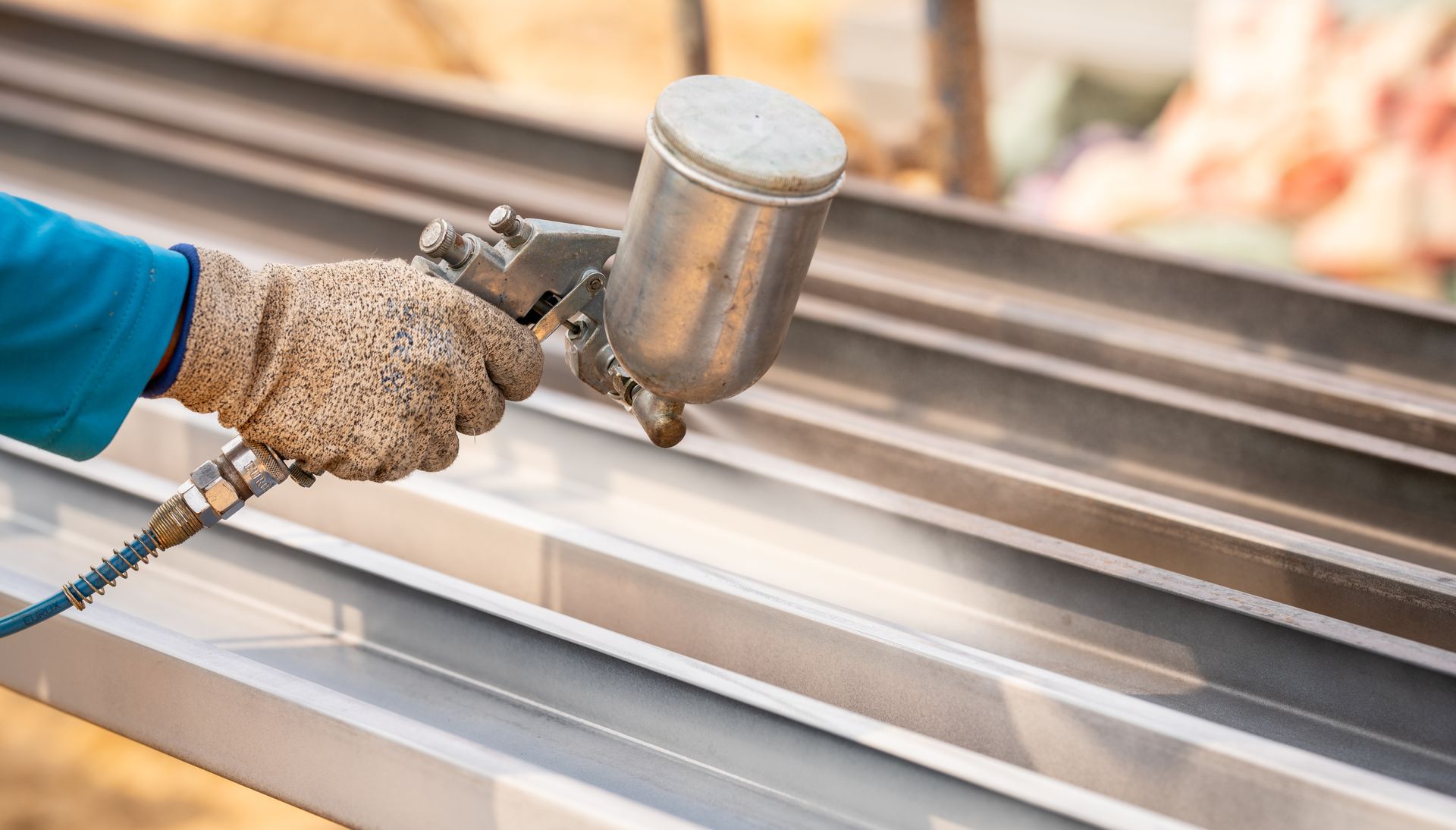
| Finishing | Applying surface treatments such as sandblasting, powder coating, or polishing | Corrosion protection, hygiene compliance, aesthetic requirements |
Each process depends on the one before it. The right combination for a given component is determined by the material, the required tolerance, and the end-use environment.
A sequence error at the planning stage rarely surfaces until installation, when correcting it costs significantly more than it would have at the design stage.
What Materials Are Used in Metal Fabrication?
Material selection determines every downstream decision in a fabrication project. Getting the grade wrong early is one of the most avoidable costs in fabrication.
The 5 primary materials used in metal fabrication, compared by key properties, are set out below:
| Material | Strength | Corrosion Resistance | Cost | Weldability | Common Applications |
|---|---|---|---|---|---|
| Carbon steel | High | Low (requires coating) | Low | Good | Structural frames, heavy-load components |
| Stainless steel | High | High | High | Requires specialist process | Food-grade vessels, chemical-contact components, water treatment tanks |
| Mild steel | Moderate | Low (requires coating) | Low to moderate | Excellent | General-purpose fabrication, brackets, frames |
| Aluminium | Moderate | Good | Moderate | Requires care to avoid distortion | Lightweight structures, enclosures, panels |
| Copper and brass | Moderate | Good | High | Good | Specialist thermal and electrical applications |
Material choice also determines the durability of the finished component and how fabrication is carried out.
Carbon steel is widely used for structural frames and heavy-load components where cost is a priority, but it requires coating or treatment to perform in exposed or humid conditions. Mild steel shares those limitations and is similarly dependent on surface finishing for corrosion protection, though its excellent weldability makes it a practical choice for general fabrication work.
Stainless steel requires dedicated tooling and strict contamination controls. Cross-contamination from mild steel tools or grinding debris can compromise its surface integrity in ways that only appear as premature corrosion in service. Aluminium demands careful heat management during welding to prevent distortion, and certain alloys are more weld-friendly than others.
Copper and brass are specified where thermal conductivity or electrical properties are the primary requirement, and both offer reasonable corrosion resistance for the cost premium they carry.
Speak to a fabrication specialist before drawings are finalised. This is the most reliable way to avoid a material mismatch that only becomes apparent once work is underway.
Where Metal Fabrication Is Used Across Malaysia's Industrial Sectors
Material choice does not happen in isolation. Each sector carries its own operating conditions, regulatory requirements, and service environments, and those factors are what determine which grade and process combination is appropriate.
Industrial metal fabrication in Malaysia serves a wide range of sectors, each with specific dimensional and material requirements. These span regulated process industries, built environment and infrastructure, and specialist operational sectors where dimensional accuracy and material compliance are non-negotiable.
The examples below show how requirements differ by application.
- Water Treatment: Raw-water tanks, clarifier vessels, flocculation tanks, and sludge containment fabricated to hold specific volumes and withstand chemical exposure. Material grade and weld finish are confirmed against the fluid and operating pressure before production begins.
- Construction and Infrastructure: Structural walkways, stairways, and mezzanine platforms built to site-specific load requirements. Industrial platform maintenance, covering inspections, weld repairs, and anti-corrosion coating, is a separate ongoing requirement once structures are in service.
- Agriculture: Soil reamers, augers, harvesting frames, and conveyor systems fabricated or repaired to keep field equipment operational where downtime during seeding or harvest is not an option.
- Aviation and Defence: Wrap-around maintenance stands, daily platforms, deployable stands, and hydraulic scissor lifts built to safety codes where dimensional accuracy and load verification are non-negotiable.
- General Industrial Manufacturing: Hydraulic cylinders, drive shafts, excavator buckets, and custom brackets fabricated to specification, with reverse-engineering available where no original drawing exists.
Across all of these sectors, an off-specification component is an operational or safety failure, not a minor inconvenience.
Custom Metal Fabrication vs Standard Parts: What Is the Difference?
Standard parts suit catalogue-dimension components where cost and lead time are the priority. Custom fabrication is the appropriate choice when dimensions are non-standard, material specification is tightly controlled, production volume is too low for mass-manufacture tooling, or the standard option simply does not exist.
It applies most clearly in 3 situations:
- Replacement Parts for Ageing Machinery: Hydraulic cylinders, excavator buckets, and drive shaft assemblies are common examples where no catalogue equivalent exists and reverse-engineering from a worn sample is the only viable path.
- Vessel or Structural Components Constrained by Installation Space: Where non-standard dimensions are dictated by the site, not the designer. Standard catalogue vessels rarely match what a constrained footprint actually requires.
- Structural Components With Site-Specific Load Requirements: Where the geometry or material grade needed to meet the load falls outside what standard sections can provide.
In each of these cases, the perceived cost saving from adapting a standard part does not hold once rework, refabrication, and project delays are accounted for. Custom fabrication is also not reserved for large projects. Single-unit components, low-volume runs, and repair fabrication all fall within the scope of a full-service fabrication workshop.
What to Look for When Choosing a Metal Fabricator in Malaysia
Selecting a metal fabrication contractor in Malaysia involves more than comparing quotes. The right fabricator identifies process or material concerns before production begins.
Raise these 5 criteria during the quoting stage:
- Ask for documented examples of work in your material and process, not general capability statements that cannot be verified against an actual project.
- Confirm whether the fabricator can work from CAD or engineering drawings, and whether they will flag scope or design concerns before quoting rather than accepting the brief as given.
- Establish what tolerances they can consistently hold and how those tolerances are verified during and after production, not assumed.
- Check whether post-fabrication services are handled in-house or subcontracted. Surface finishing, delivery, and on-site installation support all affect accountability when something needs correcting.
- Ask for references or documented project examples from your sector. Demonstrated experience in a comparable application is a more reliable indicator than stated credentials alone.
A fabricator who meets these criteria with specifics rather than generalities is one who has managed the same risks before.
How Choong Ngai Engineering Approaches Each Metal Fabrication Project in Malaysia
Every project submitted to Choong Ngai Engineering is assessed for process and material fit at the enquiry stage, before a quote is issued. In-house capability covers hydraulic shearing, CNC machining, sheet metal fabrication, and storage tank fabrication, with on-site delivery across Peninsular Malaysia. Documented project experience spans water treatment, agriculture, aviation, and heavy industrial sectors.
A scope or sketch is enough to get started. Pricing is confirmed within 24 hours. For a full overview of available services, visit the metal fabrication page.
Contact Choong Ngai Engineering at +6012-272 6971, fill in the enquiry form, or WhatsApp directly to get a process-matched quote for your fabrication project.
Frequently Asked Questions About Metal Fabrication
How long does metal fabrication take?
Lead time depends on component complexity, the material specified, and the processes involved. Simple sheet metal parts may be completed within days, while large structural assemblies or custom vessels can take several weeks. Finishing and inspection add time beyond the core fabrication phase. Both should be confirmed at the enquiry stage rather than treated as adjustable once a schedule is set.
What file format is needed to commission custom metal fabrication?
Most fabricators work from CAD drawings, with accepted formats depending on whether the file is 2D or 3D.
| File Type | Formats | Used For |
|---|---|---|
| 2D | DXF, DWG | Cutting and bending files |
| 3D | STEP, IGES | Component files requiring a solid model for reference during production |
Where no drawing exists, a fabricator can work from sketches or sample parts. This is common for replacement components and may add time to the initial stage, but it does not prevent a project from proceeding.
Is there a minimum order quantity for custom fabrication?
Minimum order quantities vary by fabricator and by component complexity. Some workshops accept single-unit orders; others apply a minimum where tooling costs for processes such as CNC machining or press brake forming make very small runs uneconomical. This should be confirmed during the quoting stage, as most fabricators will accommodate low-volume work where the application justifies it.
Is stainless steel fabrication more expensive than carbon steel?
Stainless steel carries a higher cost than carbon steel in both raw material and fabrication, owing to dedicated tooling requirements, stricter contamination controls, and specialist welding. For food contact, chemical exposure, or high-humidity environments, it is typically the more appropriate specification. The higher upfront cost is generally offset by longer service life and lower maintenance requirements over time.
What is the difference between sheet metal fabrication and structural steel fabrication?
Sheet metal fabrication works with flat stock, typically under 6mm, and is used for enclosures, panels, and ducting using CNC cutting, press brake bending, and TIG or spot welding. Structural steel fabrication works with heavier sections, including I-beams, channels, hollow sections, and plate, for load-bearing frames, platforms, stairways, and infrastructure. The equipment, processes, and structural design considerations involved in each are distinct and are not interchangeable.